Home & Interior
The modern residential pool has evolved far beyond a simple backyard feature. Today’s pool represents a sophisticated intersection of architectural design, cutting-edge technology, and lifestyle ambition. Whether nestled in an outdoor oasis or daringly integrated into an interior space, the contemporary pool demands careful consideration across multiple disciplines—from the tactile selection of grout to the invisible choreography of smart home automation.
For homeowners contemplating a pool project or reimagining an existing installation, the sheer breadth of decisions can feel overwhelming. How do artistic finishes impact long-term maintenance? What security vulnerabilities emerge when your pool connects to WiFi? How do you create a seamless flow between wet and dry zones without compromising your home’s structural integrity? This comprehensive resource addresses these fundamental questions, guiding you through the essential domains that transform a pool from an amenity into a harmonious extension of your living environment.
The journey toward successful pool integration touches seven critical areas: aesthetic expression through materials and patterns, technical foundations that ensure safety and longevity, smart technology that elevates convenience, security protocols that protect your digital perimeter, spatial design that dissolves boundaries between indoors and outdoors, environmental systems that manage air and light, and experiential elements that turn gatherings into memorable occasions.
Pool Design: Where Art Meets Functionality
The visual character of your pool extends far beyond mere color selection. Modern pool design represents a canvas for artistic expression, where surface treatments, tile arrangements, and finishing techniques combine to create depth, movement, and emotional resonance.
Artistic Detailing and Surface Treatments
Intricate artistic detailing transforms utilitarian surfaces into focal points. Mosaic medallions at pool floors, hand-cut tile murals along walls, and custom glass tile installations catch and refract light in ways that shift throughout the day. Think of these elements as jewelry for your pool—strategically placed accents that draw the eye and create conversation. A Mediterranean-inspired compass rose in natural stone, for example, can anchor a traditional design, while metallic glass tiles in geometric arrangements speak to contemporary sensibilities.
The key is ensuring your artistic choices align with the pool’s practical realities. High-traffic areas benefit from durable materials that maintain their appearance despite chemical exposure and physical wear. Delicate hand-painted tiles may shine in display niches or waterline borders, while heavily used steps require more robust treatments.
Gradients, Patterns, and Visual Depth
Color gradients create the illusion of depth and movement. A thoughtfully designed fade from light aqua in shallow areas to deep cobalt in diving zones mimics natural bodies of water, creating an intuitive visual guide to depth. Patterns serve both aesthetic and practical purposes: diagonal striping can make narrow pools appear wider, while horizontal bands emphasize length.
Consider how patterns interact with water movement. Subtle geometric arrangements remain legible through gentle ripples, while complex designs may dissolve visually when the surface is disturbed. Testing small samples under varying water conditions—calm, lightly disturbed, and actively used—prevents expensive surprises after installation.
Technical Foundations: Materials That Matter
Beneath the visual spectacle lies a foundation of material science. The technical decisions you make regarding grout, anti-slip treatments, and installation timing directly impact your pool’s safety, longevity, and maintenance burden for decades to come.
Grout Selection and Anti-Slip Performance
Grout serves as the unsung structural hero, holding tile assemblies together while flexing with thermal expansion, resisting chemical degradation, and preventing water infiltration behind surfaces. Not all grout formulations withstand pool environments equally. Epoxy-based grouts offer superior chemical resistance and impermeability compared to traditional cement-based options, though they demand precise application techniques and typically cost more upfront.
Anti-slip performance requires careful calibration. Surfaces need sufficient texture to prevent falls when wet, but excessive roughness creates uncomfortable walking surfaces and complicates cleaning. Anti-slip ratings (often expressed as coefficient of friction values) provide objective measurements, with pool decks typically requiring minimums between 0.6 and 0.8 when wet. Material choices matter here:
- Textured porcelain tiles balance slip resistance with comfort
- Natural stone like honed travertine provides organic traction
- Specialized anti-slip treatments can be applied to existing surfaces
- Glass tiles, while beautiful, require careful placement away from high-traffic zones
Timing and Installation Sequencing
Installation timing impacts both technical outcomes and project coordination. Tile and surface work typically occurs after the pool shell cures but before final landscaping, allowing workers access without damaging finished surroundings. Temperature and humidity during installation affect grout curing, adhesive bonding, and sealant performance.
A critical but often overlooked factor: calcium buildup prevention begins during installation, not months later. Proper surface preparation, appropriate chemical balancing during the initial fill, and protective treatments applied before the pool sees its first water all contribute to reducing the notorious calcium scaling that plagues many installations. Think of it as waterproofing—easier and cheaper to build in correctly than to retrofit later.
The Smart Pool Ecosystem
Contemporary pools increasingly function as nodes within the broader smart home network, enabling automated chemical dosing, remote temperature control, intelligent lighting scenes, and energy optimization that would have seemed like science fiction a generation ago.
Connecting to Your Home Network
Integration begins with connectivity infrastructure. Pool equipment—pumps, heaters, sanitization systems, lighting controllers—requires network access, typically via WiFi extenders or hardwired Ethernet connections. The challenge lies in bridging outdoor equipment located far from your router with reliable signals that penetrate walls and weather.
Smart hubs serve as interpreters, translating commands from your home automation platform into protocols that pool equipment understands. When comparing smart hubs, consider these factors:
- Protocol compatibility: Does it communicate with your existing equipment brands?
- Platform integration: Will it connect to your preferred smart home ecosystem (HomeKit, Google Home, Alexa)?
- Expansion capacity: Can it accommodate future additions like robotic cleaners or advanced sensors?
- Local vs. cloud processing: Does it function when internet connectivity drops?
Energy Management and Automation
Pool equipment represents a significant energy consumer, but smart timing dramatically reduces costs. Automated systems can schedule filtration during off-peak electricity hours, preheat water using solar gain during optimal sun exposure, and reduce pump speeds when full flow isn’t necessary. Some systems learn usage patterns, anticipating when you typically swim and preparing conditions proactively.
The compounding effect of small optimizations surprises many homeowners. Reducing pump runtime by two hours daily, heating water only when needed rather than continuously, and optimizing chemical dosing to minimize waste can collectively reduce operational costs by 30-40% compared to manual, always-on approaches.
Security and Privacy Considerations
Every connected device introduces potential vulnerabilities. Your smart pool equipment, if improperly secured, can serve as an entry point for malicious actors seeking access to your broader home network. This isn’t theoretical—security researchers have demonstrated exploits against various pool controllers and monitoring systems.
Robust security protocols begin with fundamentals: changing default passwords, keeping firmware updated, and segregating pool equipment onto a separate network segment (a guest network or dedicated VLAN) that isolates it from computers, phones, and sensitive data. Two-factor authentication, when available, adds another protective layer.
Managing cyber vulnerabilities requires ongoing attention, not one-time configuration. As new threats emerge and manufacturers release security patches, staying current protects your investment and privacy. Consider these practices:
- Disable remote access features you don’t actively use
- Monitor device logs for unusual access patterns
- Use encrypted connections (HTTPS, VPN) when accessing controls remotely
- Research manufacturer security track records before purchasing equipment
The goal isn’t paranoia but proportional precaution—treating your pool’s digital infrastructure with the same seriousness you’d apply to any connected system handling your home’s operations.
Bridging Indoor and Outdoor Living
The most compelling pool installations blur the distinction between interior comfort and exterior enjoyment, creating a seamless lifestyle transition that expands your usable living space and transforms how you experience your home throughout the seasons.
Planning Spatial Transitions
Successful indoor-outdoor integration begins with thoughtful planning of wet and dry zones. Water inevitably migrates—on feet, through splashing, via humidity—so effective design anticipates and manages this reality rather than fighting it. Transition zones act as buffers, spaces where it’s acceptable to be damp while protecting interior areas from moisture damage.
Flooring material selection plays a crucial role in defining these zones. The ideal transition creates visual continuity while adapting functional properties:
- Immediate pool surround: Highly slip-resistant, quick-draining, chemically resistant materials
- Transition zone: Materials that tolerate occasional wetness, easy to clean
- Protected interior: Comfortable underfoot, moisture-sensitive materials reserved for areas that remain reliably dry
Large-format tiles or continuous surfaces minimize grout lines where water and debris accumulate. Slightly sloping transitions encourage water to drain away from doorways. Recessed track systems for sliding or folding glass walls eliminate thresholds that trap water or create tripping hazards.
Environmental Control Systems
Opening your home to pool access introduces environmental challenges: humidity infiltration, temperature fluctuations, UV exposure through glazing, and ventilation demands that protect air quality and building materials.
Glazing options dramatically impact thermal performance and user experience. Low-emissivity coatings reduce solar heat gain while maintaining transparency, essential for spaces with western or southern exposures. When comparing glazing options, balance factors like:
- UV filtration: Protecting furnishings from fading while allowing natural light
- Thermal insulation: Maintaining comfortable interior temperatures despite exterior extremes
- Operability: Fixed panels vs. movable systems that adapt to conditions
- Acoustic properties: Sound dampening for pools close to bedrooms or quiet spaces
Ventilation prevents the moisture-related issues that plague poorly designed pool-adjacent spaces. Dedicated ventilation systems exchange humid air with fresh outdoor air at controlled rates, preventing condensation, mold growth, and that clammy feeling that makes spaces unpleasant. For true indoor pools, dehumidification becomes essential, requiring properly sized equipment that runs continuously during pool use and for hours afterward as surfaces dry.
Creating Unforgettable Experiences
Beyond the technical and aesthetic fundamentals lies the experiential dimension—how your pool facilitates connection, celebration, and memory-making. Smart automation enables experiential choreography that would be impossible to coordinate manually.
“Party Mode” scenes exemplify this potential. A single command might simultaneously adjust lighting to festive colors, warm the spa to optimal temperature, activate waterfall features, and cue an outdoor audio system to your preferred playlist. As guests arrive, the environment is perfectly prepared without you frantically adjusting individual systems.
Sequencing the guest experience involves thinking cinematically about how people encounter and move through your pool environment. Pathway lighting guides arrivals, underwater illumination creates ambiance as daylight fades, and subtle color shifts signal transitions from cocktails to dinner to late-evening relaxation. The best sequences feel natural rather than gimmicky, enhancing the occasion without overshadowing human connection.
Customizable scenes adapt the same physical space to different moods and purposes: energetic daytime family play, sophisticated evening entertaining, or quiet morning exercise. This versatility maximizes your investment, ensuring the pool serves diverse needs rather than a single narrow purpose.
Moving Forward With Confidence
Successfully integrating a pool into your home environment requires navigating a complex landscape of aesthetic choices, technical specifications, digital systems, and experiential aspirations. The decisions outlined here—from grout chemistry to network security, from spatial transitions to automation scenes—collectively determine whether your pool becomes a harmonious extension of your lifestyle or a source of ongoing frustration.
Approach your project systematically, addressing each domain with appropriate attention while maintaining sight of the holistic vision. The most successful installations balance immediate beauty with long-term practicality, cutting-edge technology with reliable fundamentals, and ambitious design with honest assessment of how you’ll actually use the space. Your pool should enhance daily life, not complicate it—a goal achievable when expertise informs every decision from initial concept through final implementation.
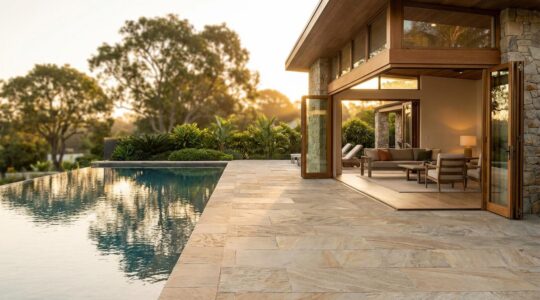
How to Design a Pool House That Functions as a Second Home?
Designing a true pool house isn’t about adding amenities; it’s about architecting a seamless lifestyle extension of your main home. Prioritize the intentional flow between wet/dry and public/private zones to…
Read more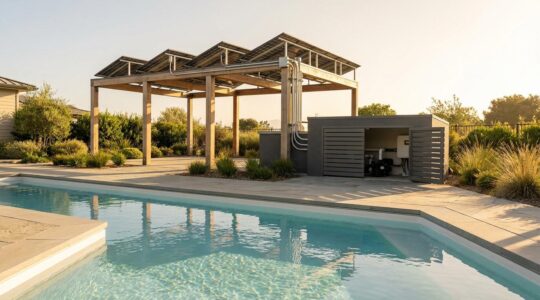
How to Orchestrate Your Pool for True Energy Autonomy (And Run It for Free)
The secret to a zero-cost pool isn’t just using solar panels; it’s transforming your pool into an intelligent, grid-interactive energy asset for your entire home. Instead of simple timers, smart…
Read more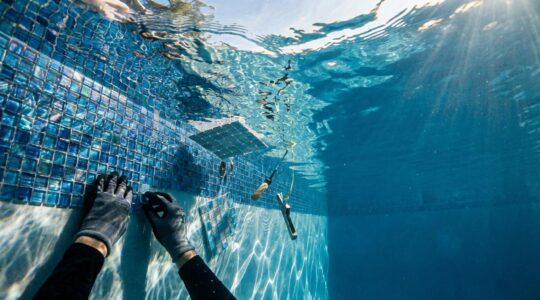
The Art of Enduring Elegance: Choosing Mosaic Tiles That Defy Winter’s Wrath
A mosaic tile failure is not a product flaw; it is a system failure. The longevity of your pool’s finish depends on an engineered system of tile, adhesive, and grout…
Read more