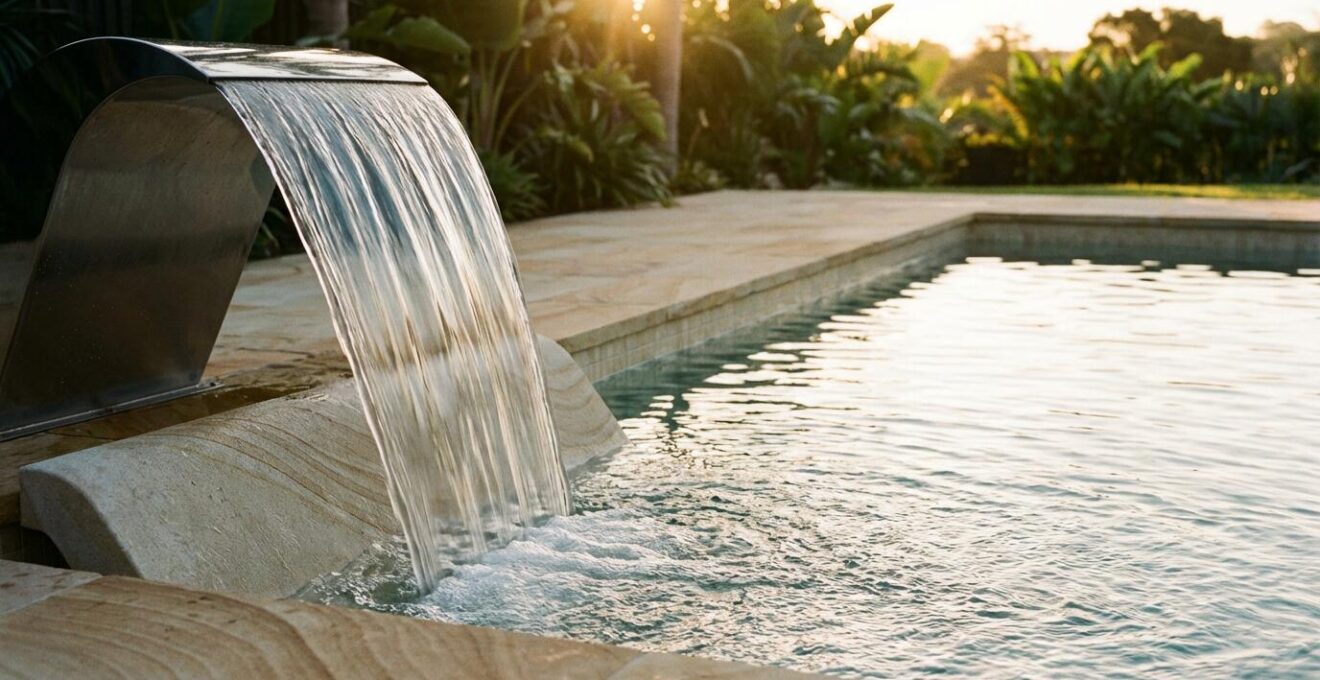
A cervical waterfall is more than a luxury feature; it’s a clinical tool for deconstructing chronic neck tension from office work.
- Effective relief depends on precise pressure (1.5-2.5 bars) and ergonomic positioning to target specific muscle groups.
- The right mineral composition (like magnesium) and water temperature protocols amplify the therapeutic effects.
Recommendation: Master the technical and postural specifics to transform your pool into a personal hydrotherapy retreat.
For the modern professional, neck and shoulder strain has become an unwelcome daily companion. Hours spent hunched over a desk, a condition often dubbed “tech neck,” create a state of chronic muscular tension that painkillers and stretching can only temporarily mask. Many seek relief in general wellness practices, viewing pool features like cervical waterfalls as mere tools for relaxation. This perspective, however, misses their true potential. While the sound and feel of cascading water are undeniably soothing, their real power lies in their capacity for targeted, hydro-mechanical therapy.
The common approach is to simply stand under the water and hope for the best. But what if we treated this feature not as a decorative element, but as a precision instrument? The key to unlocking genuine, lasting relief from office-induced strain isn’t just about getting wet; it’s about understanding the clinical application of water pressure, ergonomic positioning, and thermal science. This is where we move beyond simple relaxation and into the realm of therapeutic hydro-mechanical deconstruction.
This guide reframes the cervical waterfall as a chiropractic tool you can use at home. We will explore the exact science behind how pressure and positioning can release deep-seated knots, why the shape of the water stream matters, and how to create a complete balneotherapy experience that rivals a professional spa. By mastering these principles, you can transform your pool from a simple leisure spot into a dedicated wellness retreat designed to systematically dismantle the physical burdens of your workday.
To help you navigate this clinical approach to neck pain relief, this article details every aspect, from the physics of water pressure to the chemistry of a healing pool environment. Explore the sections below to build your expertise.
Summary: Your Guide to Clinical Neck Strain Relief with a Cervical Waterfall
- Why is high pressure essential for deep tissue massage on shoulders?
- How to position the cobra curtain for ergonomic neck access?
- Flat Curtain or Targeted Stream: Which Shape Better Treats Migraines?
- The plumbing mistake that starves your filtration when the waterfall is on
- When to use cold vs hot water waterfalls for injury recovery?
- How Hydrotherapy Features Transform a Simple Pool into a 5-Star Resort?
- How to Replicate a Thermal Spa Balneotherapy Experience at Home?
- Why Magnesium Pools Are the New Standard for Wellness Retreats at Home?
Why is high pressure essential for deep tissue massage on shoulders?
To understand why high pressure is crucial, we must stop thinking of water as just “relaxing” and start seeing it as a therapeutic vector. Office-induced strain isn’t a surface-level issue; it involves deep, contracted knots in muscles like the trapezius and levator scapulae. A gentle, low-pressure stream may feel pleasant, but it lacks the mechanical force needed to penetrate these dense layers of tissue and initiate a myofascial release. It’s the difference between a light caress and a targeted deep-tissue massage.
The goal is to achieve a percussive effect that stimulates blood flow, breaks up adhesions, and signals the nervous system to release its grip on the muscle. This requires a specific level of hydraulic force. Industry specifications show that effective cervical jets require medium-high pressure between 1.5-2.5 bars. Below this range, the water lacks the energy to do more than glide over the skin. Within this range, the stream has enough power to knead the muscle fibers, addressing the root cause of the stiffness.
Think of it as hydro-mechanical deconstruction. The pressurized water acts like a therapist’s thumbs, working methodically to dissolve the trigger points that cause referred pain and headaches. Without sufficient pressure, the waterfall remains a purely sensory experience. With the correct pressure, it becomes a powerful, non-invasive tool for genuine muscular and structural relief.
How to position the cobra curtain for ergonomic neck access?
Having the right pressure is only half the battle; applying it to the right place is what truly makes a difference. Incorrect positioning under a waterfall can be counterproductive, or at worst, even cause strain. The key is to adopt an ergonomic posture that allows the neck and shoulder muscles to be completely passive, letting the water do all the work. This is where an underwater bench or step becomes essential.
A comprehensive therapeutic protocol highlights three critical positions for targeting office-induced pain. These positions transform a generic water feature into a precise treatment tool:
- Targeting the Trapezius Ridge: Sit on the bench and allow the water to hit the top of your shoulders. Slightly shrug your shoulders upwards to meet the stream. This position relieves the downward pull on the neck and allows the powerful trapezius muscle, which bears much of our postural stress, to be fully massaged.
- Addressing Suboccipital Muscles: While seated, gently tuck your chin towards your chest and let the water stream hit the base of your skull. This targets the small but crucial suboccipital muscles, which are notorious for causing tension headaches from prolonged screen time.
- Treating the Sternocleidomastoid: To counteract “tech neck,” sit upright and gently tilt your head away from the waterfall, allowing the stream to cascade down the side of your neck. This focuses the therapeutic vector on the sternocleidomastoid muscle, which becomes tight from forward-head posture.
This person is demonstrating the ideal posture for receiving therapeutic benefits. By sitting on an underwater bench, their spine is aligned and their neck muscles are relaxed, allowing the water stream to precisely target points of tension in the neck and shoulders for maximum relief.
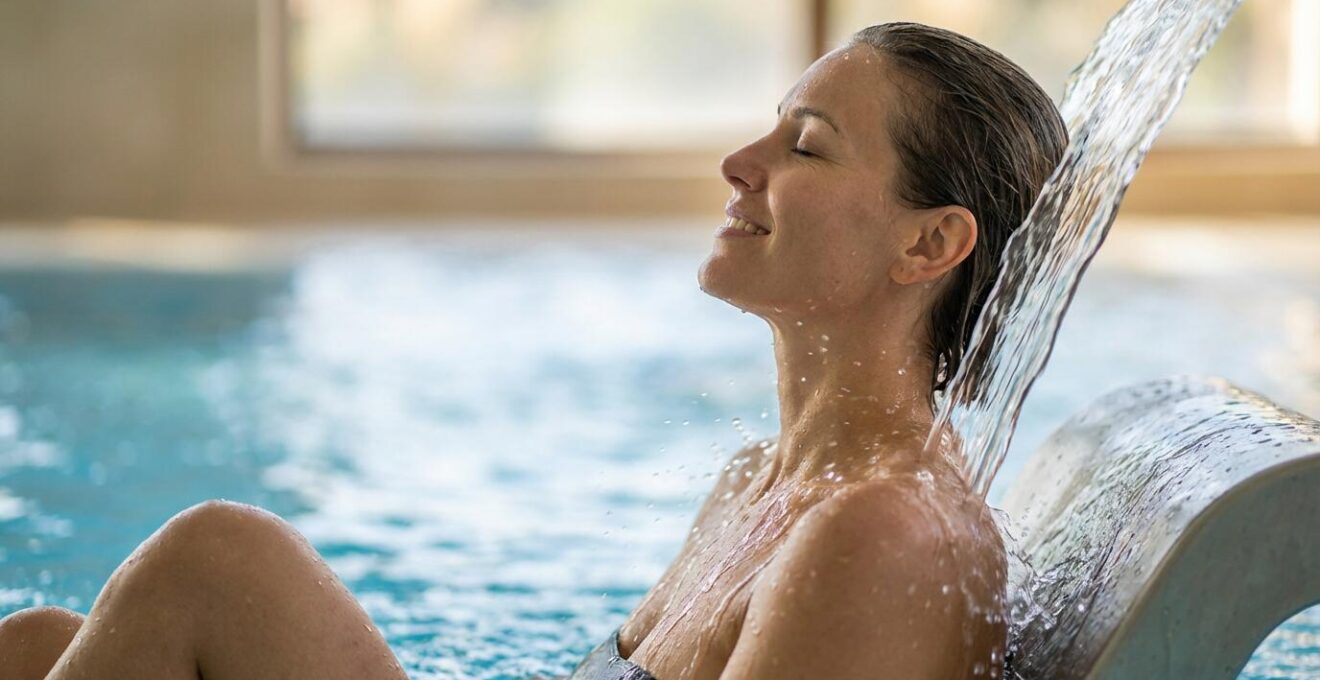
In each of these positions, the water’s natural buoyancy supports the body, allowing muscles to achieve a level of relaxation that is impossible on land. The combination of targeted pressure and weightless support creates the perfect environment for deep, effective hydro-mechanical release. A poor posture, such as standing and craning your neck, introduces new tension and negates the waterfall’s benefits.
Flat Curtain or Targeted Stream: Which Shape Better Treats Migraines?
The shape of the water—the therapeutic vector—is a critical variable, especially when addressing tension-type headaches and migraines. A “one-size-fits-all” approach is ineffective because different conditions require different types of stimulation. The choice between a wide, flat curtain and a concentrated, targeted stream depends entirely on your goal: prevention or acute treatment.
A flat curtain provides a gentle, wide distribution of pressure. Its effect is more sensory and less mechanical. The broad, consistent flow creates an enveloping “white noise” sound and a steady sensation on the skin. This combination is excellent for stimulating the parasympathetic nervous system, which governs our “rest and digest” response. For this reason, a flat curtain is the ideal tool for preventative daily stress reduction. It helps calm an overstimulated nervous system before tension can build into a full-blown headache. It is also the safer choice during a migraine episode, as the gentle pressure is less likely to be perceived as an aggressive or painful stimulus.
In contrast, a targeted stream delivers a concentrated, focused jet of water. Its effect is primarily mechanical and percussive. This shape is designed for direct trigger point release, acting on the specific knots in the shoulders and neck that refer pain to the head. This makes it an effective abortive treatment for tension-type headaches, used at the first sign of tightness to stop the headache from escalating. However, its sharp, percussive nature can be overstimulating and should be avoided during a full migraine attack.
To make an informed decision, it’s helpful to compare these two waterfall shapes side-by-side. The following table breaks down their features and optimal use cases for headache and migraine management.
| Feature | Flat Curtain | Targeted Stream |
|---|---|---|
| Pressure Type | Gentle, wide distribution | Concentrated, focused |
| Best For | Preventative daily stress reduction | Abortive treatment for tension-type headaches |
| Sound Effect | White noise, enveloping | Sharp, percussive |
| Nervous System Impact | Parasympathetic stimulation | Direct trigger point release |
| Migraine Sensitivity | Safe during episodes | Avoid during full migraine |
Ultimately, the ideal setup may involve having both options. Use the flat curtain for daily relaxation and nervous system regulation, and reserve the targeted stream for actively dismantling muscle knots before they trigger a headache.
The plumbing mistake that starves your filtration when the waterfall is on
The most sophisticated waterfall is useless if the plumbing system behind it is flawed. A common and critical mistake is designing the system in a way that forces a choice between a strong waterfall and effective pool filtration. This issue, known as hydraulic starvation, occurs when a single pump is tasked with running both the filtration circuit and a high-pressure water feature. The result is often a weak, unsatisfying massage effect and compromised water clarity.
To deliver the 1.5-2.5 bars of pressure needed for therapeutic massage, a waterfall requires significant water flow. If your system relies on a single-speed pump, activating the waterfall diverts a massive amount of water away from the skimmers and filters. This not only weakens the massage but also means your pool isn’t being properly cleaned for the entire time the feature is running. It’s a fundamental design flaw that sacrifices either therapy or hygiene.
Ensuring your system can support both functions simultaneously is non-negotiable for a true wellness experience. A properly engineered setup avoids common pitfalls related to pump selection, pipe sizing, and valve placement. Below is a checklist to audit your system or plan a new installation correctly, preventing the most frequent and costly errors.
Your Action Plan: Auditing Your Waterfall’s Plumbing
- Pump Type: Check if a variable-speed pump (VSP) is installed. Unlike a single-speed pump, a VSP can be programmed to increase its output to power the waterfall while still dedicating sufficient flow to the filtration circuit.
- Pipe Sizing: Inspect the diameter of the pipes leading to the waterfall. Undersized piping creates a bottleneck, which drastically reduces the jet’s pressure and puts excessive back-pressure on the pump, shortening its lifespan.
- Valve Placement: Locate the check valve on the waterfall’s plumbing line. If it’s installed incorrectly or is missing, water can siphon backward from the waterfall into the system when the pump is off, introducing air and causing issues at the next startup.
- Dedicated Booster Pump: For ultimate performance, verify if the waterfall has its own booster pump. This completely isolates it from the filtration system, guaranteeing maximum pressure without ever compromising water quality.
- Automation Integration: Assess if the pump and valves are connected to an automation system. This allows you to activate a “therapy mode” with one touch, which automatically adjusts pump speeds and valve positions for optimal waterfall performance.
Addressing these plumbing fundamentals ensures your waterfall is not just a visual accent but a powerful and reliable therapeutic tool, ready to perform on demand without undermining the health of your pool.
When to use cold vs hot water waterfalls for injury recovery?
Beyond pressure and position, water temperature is a powerful therapeutic variable that can be tailored to your specific needs. The common wisdom—hot relaxes, cold invigorates—is an oversimplification. For office-induced strain, a more nuanced temperature protocol, aligned with your body’s daily rhythm, yields far superior results. It’s about applying the right temperature at the right time to either prepare the body for the day or repair it at the end.
For stiffness and pain accumulated after a long day at the desk, warm water therapy is paramount. A temperature range of 95-104°F (35-40°C) is recommended. This warmth increases muscle elasticity and promotes circulation, flushing out metabolic byproducts that contribute to soreness. The heat has a sedative effect on nerve endings, directly reducing the sensation of pain. The water’s buoyancy simultaneously reduces weight-bearing stress, allowing tight neck and shoulder muscles to finally release their defensive guarding and fully relax under the massaging stream.
Conversely, a cool water session in the morning can be highly beneficial. Using water between 75-82°F (24-28°C) helps invigorate the body and reduce any latent inflammation from the previous day without causing the shock and muscle contraction of truly cold water. This mild coolness stimulates the senses, increases alertness, and can help improve vascular tone. It’s an ideal way to prime your body for the day ahead, leaving you feeling refreshed and resilient rather than stiff.
How long should you use the waterfall? For both warm and cool therapy, a session of 10-15 minutes is generally sufficient. This allows enough time for the thermal and mechanical effects to take hold without overstimulating the muscles or skin. Consistency is more important than duration; a daily 10-minute ritual will be more effective than a single, lengthy session once a week.
How Hydrotherapy Features Transform a Simple Pool into a 5-Star Resort?
The transformation of a standard swimming pool into a five-star wellness retreat hinges on one fundamental principle: the strategic use of hydrotherapy to create a weightless healing environment. The magic of water therapy lies in its ability to unload the body’s structures. A key study shows that hydrotherapy provides up to a 90% reduction in body weight when a person is immersed to neck level. This profound buoyancy is the foundation upon which all other resort-style features are built. It allows the spine to decompress and muscles to relax in a way that is simply impossible on land, creating the perfect canvas for therapeutic intervention.
With the body in this receptive, weightless state, hydrotherapy features like waterfalls, jets, and bubblers can work their magic. They are not just add-ons; they are tools that leverage the water’s supportive properties to deliver targeted treatments. A cervical waterfall is no longer just a stream of water but a focused massage on a fully relaxed trapezius muscle. This synergy between buoyancy and active features is what elevates the experience from recreational to restorative.
To complete the five-star transformation, this core hydrotherapy is layered with sensory enhancements that engage the mind and body on a deeper level. These elements work in concert to create a holistic and immersive wellness experience:
- Targeted Seating: Incorporating a dedicated StressRelief Neck and Shoulder Seat with downward-pointing jets directly targets the highest tension areas.
- Gentle Effleurage: Adding bench bubblers creates a gentle, effervescent massage effect that soothes the skin and calms the nervous system, mimicking a light therapeutic stroke.
- Chromotherapy: Integrating underwater LED lighting allows you to use color to influence mood—blue for calm and relaxation, or red for energy and invigoration.
- Underwater Acoustics: An underwater sound system, synchronized with the rhythm of the waterfall, creates a fully immersive auditory experience that helps quiet the mind.
- One-Touch Automation: Programming custom spa “scenes” through an automation system allows you to activate your perfect combination of jets, lights, and sound with a single button press.
By layering these elements, a simple pool becomes a multi-sensory sanctuary, capable of delivering a personalized, resort-quality hydrotherapy session at a moment’s notice.
How to Replicate a Thermal Spa Balneotherapy Experience at Home?
The world’s most famous thermal spas, from the Dead Sea to the Blue Lagoon, are renowned for one thing: the unique mineral composition of their waters. Replicating this authentic balneotherapy experience at home goes beyond just heating the water; it involves infusing it with therapeutic minerals that provide scientifically proven benefits. This transforms your pool water from a simple swimming medium into a medicinal solution that heals the body from the outside in.
The core of this transformation is the introduction of vital salts and minerals, most notably magnesium. Modern systems can create a home balneotherapy experience by combining 100% natural Dead Sea minerals with advanced water purification technologies like ozone-to-oxygen systems. This creates revitalizing, mineral-medicinal waters that are gentle on the skin and profoundly therapeutic. The percussive force from features like a cervical waterfall then plays a crucial role by enhancing the transdermal absorption of these beneficial minerals, driving them deeper into the skin and muscles where they are needed most.
The benefits are not just anecdotal. Soaking in mineral-rich water has a direct impact on skin health and overall well-being. For example, specific studies show soaking in magnesium-infused pools results in improved skin hydration and a visible reduction in fine lines. Unlike traditional chlorine or saltwater pools that can leave skin feeling dry and tight, a mineral pool soothes and moisturizes, making the experience both healthful and luxurious.
By focusing on water chemistry, you are recreating the very essence of a thermal spa. The synergy between the dissolved minerals and the physical therapy of the waterfall creates a holistic treatment that addresses muscle tension, skin health, and systemic stress simultaneously, providing a multi-layered wellness experience that is impossible to achieve with tap water alone.
Key Takeaways
- Effective neck pain relief requires precise water pressure (1.5-2.5 bars) and an ergonomic seated posture to target specific muscle groups like the trapezius.
- The shape of the water stream (flat curtain vs. targeted jet) should be chosen based on the goal: preventative stress reduction or acute trigger point release.
- A robust plumbing system with a variable-speed pump is essential to power a therapeutic waterfall without compromising the pool’s filtration.
- Layering hydrotherapy with mineral-rich water (especially magnesium) and sensory elements like light and sound transforms a pool into a comprehensive wellness retreat.
Why Magnesium Pools Are the New Standard for Wellness Retreats at Home?
The evolution from traditional chlorine pools to saltwater systems was the first step toward a better swimming experience. Today, the move toward magnesium pools represents the next great leap, establishing a new standard for home wellness. This shift is driven by a focus on creating a superior sensory and therapeutic environment that goes far beyond simple water sanitation. Magnesium-rich water doesn’t just feel better; it actively contributes to your health in ways that other systems cannot.
One of the most significant advantages is the dramatic improvement in water quality and comfort. Magnesium-based systems are known to produce up to 40% fewer chloramines, the irritating chemical byproducts responsible for the “chlorine smell,” red eyes, and dry skin. This results in water that is noticeably softer, silkier, and gentler on the body. This superior sensory experience is fundamental to achieving the standard of a wellness retreat, where every element should feel restorative, not harsh.
Furthermore, the therapeutic properties of magnesium create a powerful synergistic effect with hydrotherapy features. Research demonstrates that the mineral-rich water helps relax muscles and soften skin even before the waterfall therapy begins. This pre-treatment preparation creates what experts call a “1+1=3” effect: the body is already in a more receptive state, making the subsequent hydro-mechanical massage from the waterfall more effective. The magnesium also helps regulate the body’s inflammatory responses, while the silky water quality provides a constant, soothing sensation, enhancing the overall feeling of well-being.
By eliminating the harshness of traditional systems and actively contributing to muscle relaxation and skin health, magnesium pools provide a holistic foundation for at-home wellness. They are not merely an alternative sanitation method but a comprehensive upgrade that transforms the entire pool environment into a dedicated space for health, recovery, and rejuvenation.
By combining the right pressure, posture, and water chemistry, your cervical waterfall ceases to be a simple amenity and becomes a cornerstone of your personal health regimen. The next step is to consistently apply these principles to actively manage and eliminate the physical stress of your professional life.