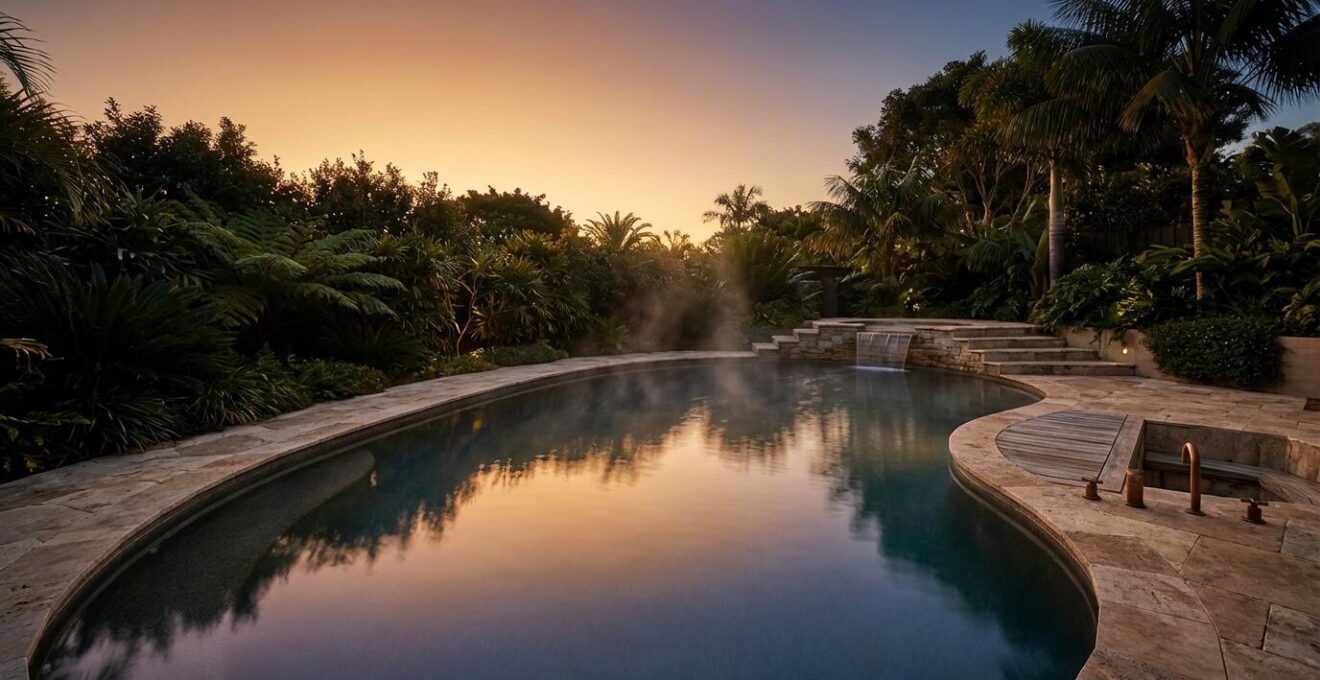
The key to a truly restorative pool isn’t luxury, but neuro-architecture—designing a sensory environment that actively calms your nervous system.
- Sound and light are not aesthetic afterthoughts; they are functional tools that regulate stress and sleep hormones.
- Visual clutter, such as visible pool equipment, subconsciously signals “work” and prevents true mental disconnection.
Recommendation: Begin by auditing one sensory element—sound, light, or sight—to transform your pool from a recreational space into a clinical-grade sanctuary for stress relief.
For many stressed executives, the backyard pool represents an escape—a private oasis to unwind after a demanding day. Yet, how often does that escape fall short? You step outside, still mentally tethered to emails and deadlines, and the space fails to deliver the profound disconnection you crave. The common advice is to add comfortable loungers or a few potted plants, but these are merely decorative touches. They address the surface, not the root of the problem: a dysregulated nervous system flooded with cortisol.
The issue is that we treat our pool areas as recreational facilities rather than as instruments for mental wellness. We focus on aesthetics while ignoring the powerful, subconscious impact of sensory inputs on our brain chemistry. The constant hum of a loud pump, the harsh glare of security lights, or the visual reminder of maintenance chores from visible equipment all contribute to a low-grade state of alert, preventing the mind from truly letting go.
But what if the solution wasn’t about adding more, but about designing with more intention? What if every element—from the color of the water to the sound of its movement—could be a deliberate choice to guide your brain towards tranquility? This is the principle of neuro-architecture. It’s a shift from passive decoration to active sensory regulation. This guide moves beyond generic tips to reveal how to engineer your pool area as a functional sanctuary, using science-backed design strategies to measurably lower cortisol levels and foster genuine mental recovery.
This article explores the specific, actionable design choices you can make to transform your pool into a powerful tool for stress management. We will delve into the science of sensory inputs and provide a roadmap for creating an environment that calms, restores, and provides the deep mental disconnection you need.
Summary: A Neuro-Architect’s Guide to a Cortisol-Reducing Pool Sanctuary
- Why the sound of trickling water induces a meditative state?
- How to create a “hidden nook” for solitary floating?
- Dark Blue or Turquoise: Which Water Color Promotes Deep Relaxation?
- The storage mistake that disrupts the visual harmony of a retreat
- When to schedule “Silent Hours” for meditation by the pool?
- Why a Silent Filtration System is Crucial for Courtyard Pools?
- How to Use Pool Lighting Colors to Reduce Stress After Work?
- How to Create a Biophilic Transition That Hides Equipment Without Blocking Access?
Why the Sound of Trickling Water Induces a Meditative State?
The calming effect of water sounds is not merely a poetic notion; it’s a physiological reality rooted in how our brains process auditory information. Unlike jarring, sudden noises that trigger our fight-or-flight response, the gentle, non-threatening sound of trickling water has a predictable and consistent pattern. This allows the brain to relax its state of high alert, interpreting the sound as a sign of a safe environment. This sense of safety is a primal signal that allows the nervous system to downshift, moving from a state of sympathetic (stress) to parasympathetic (rest and digest) dominance.
Scientifically, this translates into measurable hormonal changes. The brain’s auditory cortex sends signals that reduce the production of the stress hormone, cortisol. In fact, research validates this direct connection, showing that listening to water sounds showed lower cortisol response compared to other auditory stimuli in controlled studies. This is why a simple waterfall or a scupper feature isn’t just an aesthetic upgrade; it’s a functional piece of acoustic hardware designed for sensory regulation. The goal is to create a consistent, gentle soundscape that masks unpredictable background noises and provides the brain with a steady, soothing input.
By consciously engineering the sound of your pool area, you are directly influencing your body’s stress chemistry. It’s a fundamental step in transforming the space from a simple body of water into an active tool for mental health. The sound becomes the first layer of your sanctuary, a constant, gentle reminder to your nervous system that it is safe to let go.
How to Create a “hidden nook” for Solitary Floating?
While an open pool is designed for activity, a sanctuary requires a space for inactivity—a place of retreat within the retreat. A “hidden nook” is a dedicated alcove or corner designed for solitary floating and meditation, providing a sense of privacy and security that is impossible to achieve in the open. This physical enclosure acts as a psychological buffer, signaling to the brain that you are protected and unobserved. This feeling of being held and shielded is crucial for cognitive unloading, allowing you to fully disengage from your surroundings and turn your focus inward.
Creating this nook involves more than just sectioning off a corner. It’s about designing a multi-sensory cocoon. This space should have your back physically protected, either by a raised pool wall, a natural rock formation, or dense planting. This simple design choice removes the subconscious need to monitor what’s behind you, a primal instinct that keeps the nervous system on low alert. The goal is to create an immersive pocket where the outside world recedes, and the gentle buoyancy of the water becomes the primary sensory experience.
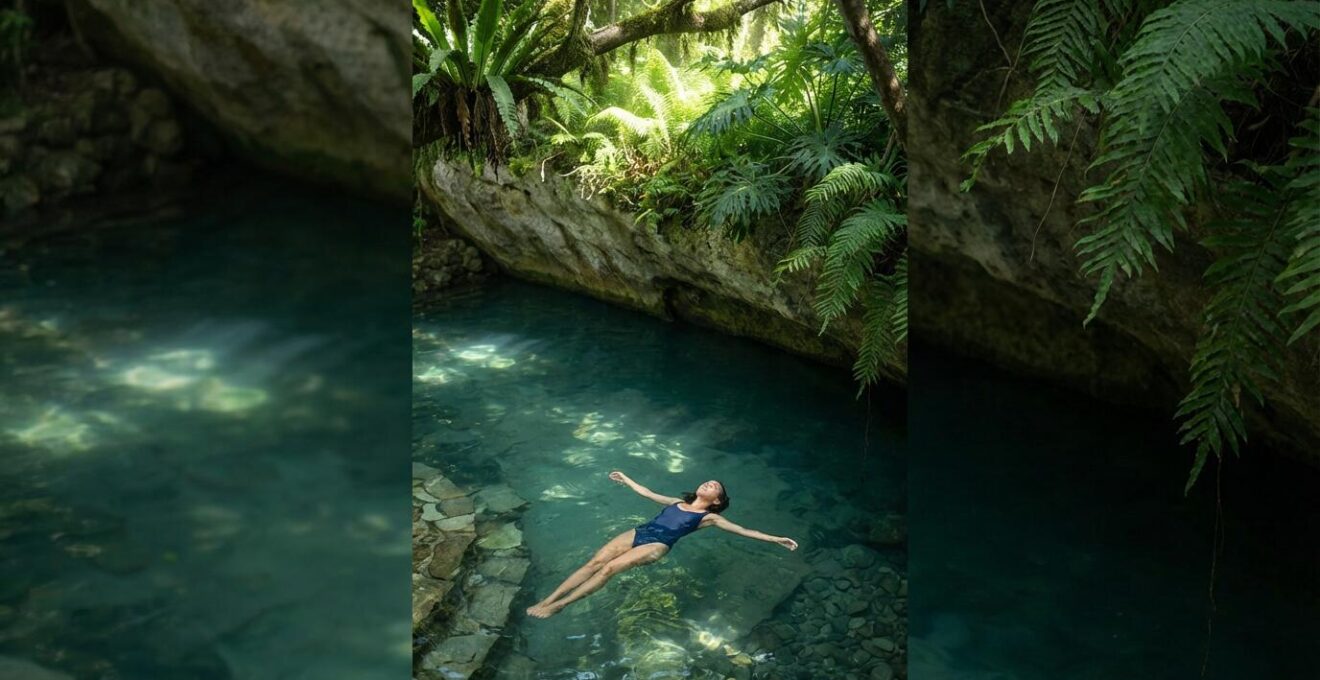
The visual elements within this nook are just as important. Overhanging plants, like ferns or draping vines, can create a natural canopy, dappling the light and softening the view of the sky. This biophilic enclosure reinforces the feeling of being in a natural, safe haven. Integrating aromatic plants like lavender or jasmine nearby adds another sensory layer, using scent to deepen the state of relaxation. This is not just a corner of the pool; it is a purpose-built destination for mental disconnection.
Your Action Plan: Forging a Secluded Meditation Nook
- Identify a quiet spot near the pool with minimal foot traffic and distractions.
- Position seating or a floating area to have solid back protection while maintaining a view of the water.
- Add dense, layered plantings or tall grasses to create a natural visual screen from the main house or yard.
- Install soft, dimmable ambient lighting (such as underwater puck lights or path lights) for evening sessions.
- Incorporate aromatic plants like lavender, jasmine, or rosemary within sensory range of the nook.
Dark Blue or Turquoise: Which Water Color Promotes Deep Relaxation?
The color of your pool’s water is one of the most powerful and immediate sensory signals you can control. It is far more than an aesthetic choice; it is a psychological primer that sets the entire emotional tone for your sanctuary. The decision between a deep, dark blue and a bright, vibrant turquoise directly influences the type of relaxation you will experience. Each color triggers different associations in the brain, and choosing the right one depends on your primary goal for the space.
A dark blue or cobalt finish creates water that appears deep, mysterious, and infinite. This color absorbs more light, reducing glare and fostering a sense of calm introspection. The psychological association is with the deep ocean, a vast and quiet world. This color is ideal for promoting a meditative state, encouraging you to turn your focus inward. It’s particularly effective for evening relaxation, where the dark water merges with the twilight to create an immersive, womb-like environment. A dark blue pool is a space for quiet contemplation and profound stillness.
Conversely, a turquoise or aquamarine finish reflects light, creating a bright, energetic, and uplifting atmosphere. The visual association is with tropical lagoons and pristine beaches—places of escape, vacation, and carefree release. This color promotes a different kind of stress relief, one that is more about shedding worries and embracing a feeling of joy and freedom. It’s excellent for daytime use, enhancing the brightness of the sun and creating a vibrant, energizing environment. A turquoise pool is a space for mental escape and social rejuvenation.
The following table, inspired by design principles from experts at leading pool design firms, breaks down the distinct psychological impacts of each color choice.
| Aspect | Dark Blue (Navy/Cobalt) | Turquoise (Cyan/Aquamarine) |
|---|---|---|
| Psychological Effect | Promotes introspection and meditative state | Creates uplifting, vacation-like stress relief |
| Visual Association | Deep ocean, mystery, depth | Tropical lagoons, clarity, escape |
| Best For | Evening relaxation, contemplative moods | Daytime energy, social gatherings |
| Light Interaction | Absorbs light, creating intimate atmosphere | Reflects light, enhancing brightness |
The Storage Mistake That Disrupts the Visual Harmony of a Retreat
The single greatest saboteur of a tranquil pool sanctuary is visual clutter. A stray pool noodle, a coiled hose, a container of chlorine tablets, or a robotic cleaner left on the deck—each of these items acts as a tiny visual “to-do” list. They are subconscious triggers that remind your brain of chores, maintenance, and responsibility. This constant, low-level mental engagement with tasks directly counteracts the goal of creating a space for disconnection. A true sanctuary must be a space of cognitive ease, where the mind is not prompted to plan, organize, or fix.
Every visible piece of equipment is a subconscious reminder of chores and responsibility, directly counteracting the goal of mental disconnection.
– Pool Design Expert, Creating Visual Harmony in Pool Areas
The most common mistake is prioritizing convenience over harmony. We leave things out because it’s easier. However, designing a cortisol-reducing pool area requires a philosophy of “invisible utility.” All functional items—from cleaning tools to flotation devices and chemical storage—must have a dedicated, concealed home. This doesn’t mean sacrificing accessibility; it means integrating storage seamlessly into the design itself. This can be achieved through built-in deck benches with hidden compartments, weather-proof cabinets camouflaged behind a screen of bamboo, or a dedicated storage shed whose design mimics the architecture of the main house.
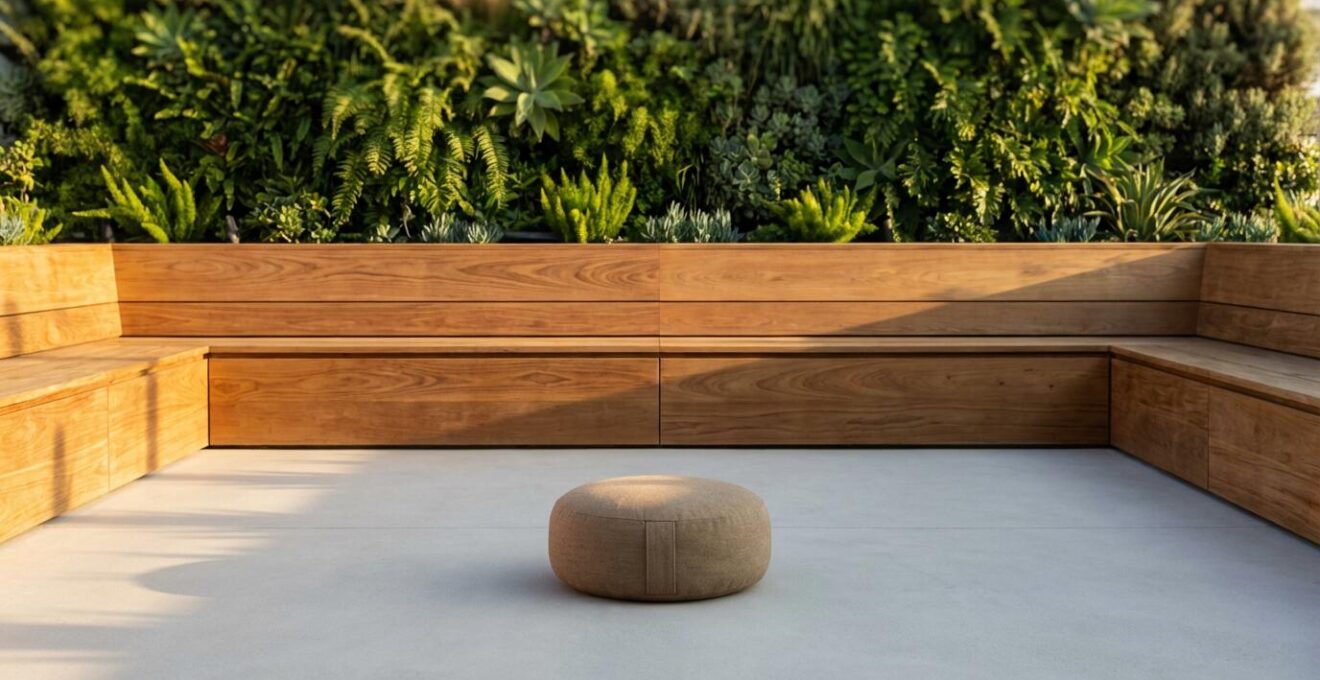
When the pool deck is clear and serene, the space transforms from a utility area into a pure zone of leisure. The visual field is uninterrupted, allowing the eye to rest on the calming elements you’ve intentionally designed: the water, the plants, the stonework. Eradicating visual clutter is not a cleaning task; it is a fundamental design principle for achieving deep relaxation. It’s about respecting the power of your subconscious mind and giving it permission to fully stand down.
Checklist: Auditing Your Pool’s Visual Harmony
- Identify Disruptors: Walk around your pool area and list every single man-made item that is not a permanent, integrated feature (e.g., hoses, cleaners, toys, chemical jugs).
- Inventory & Group: Collect all these items and group them by function (e.g., cleaning tools, recreational items, chemical supplies).
- Assess Coherence: For each group, ask: “Does the visibility of these items align with my goal of a peaceful sanctuary?” The answer will almost always be no.
- Gauge Emotional Impact: Look at the cleared space versus the cluttered space. Notice the feeling of calm versus the subtle feeling of a “to-do” list. This reinforces the “why.”
- Plan for Integration: Prioritize the most visually disruptive items and devise a plan for concealed storage, whether it’s a new deck box, a custom bench, or a designated spot in the garage.
When to Schedule “silent Hours” for Meditation by the Pool?
To fully harness your pool’s restorative power, you must align your relaxation time with your body’s natural hormonal cycles. Just as important as *what* you do by the pool is *when* you do it. Scheduling designated “Silent Hours”—periods with no distractions, no phones, and minimal noise—is a powerful practice, but its effectiveness can be amplified by understanding your cortisol rhythm. Cortisol, the primary stress hormone, is not consistently high or low; it follows a predictable daily pattern.
Cortisol levels naturally peak in the early morning, shortly after you wake up. This is the “cortisol awakening response,” designed to give you the energy to start your day. An early morning meditation or floating session (e.g., 6-8 AM) can be incredibly effective. Instead of letting that cortisol surge manifest as anxious energy, you channel it into a focused, calming practice. You are meeting the stress hormone at its peak and consciously guiding your body back to a state of equilibrium. This sets a calm, resilient tone for the entire day.
The second strategic window is the late afternoon or early evening (e.g., 4-6 PM). During this time, cortisol levels are naturally declining as the body prepares for rest. This is the critical transition period between the demands of work and the relaxation of home life. Engaging in a silent pool session during this window acts as a “hard reset” for your nervous system. It helps to actively clear the accumulated stress of the day, preventing it from spilling over into your evening and disrupting your sleep. Indeed, studies published in PubMed indicate that the timing of relaxation activities is a significant factor, with water-based relaxation showing powerful effects on stress reduction. By scheduling your silent hours in these windows, you are working *with* your biology, not against it.
Why a Silent Filtration System is Crucial for Courtyard Pools?
While we intentionally add the soothing sound of trickling water, we must be equally intentional about eliminating disruptive, mechanical noise. For courtyard pools or any pool situated close to living spaces, the constant hum of a standard filtration pump can be a major source of acoustic stress. This low-frequency, monotonous noise is the antithesis of a natural soundscape. It keeps the nervous system in a state of subtle vigilance, preventing the deep relaxation needed to lower cortisol levels. The brain cannot fully disengage when it’s being fed a constant stream of industrial sound.
This is why investing in a silent filtration system is not a luxury; it is a core component of neuro-architectural design. The difference in noise output between a traditional single-speed pump and a modern variable-speed pump is dramatic. As acoustic research published in Frontiers demonstrates, variable-speed pumps operate at 45-50 dB when running at lower speeds, a sound level comparable to a quiet library. In contrast, single-speed pumps can easily reach 65-70 dB, which is as loud as a vacuum cleaner or a busy street.
This 20-decibel difference is monumental. It’s the difference between an acoustic environment that supports tranquility and one that actively undermines it. A silent pump allows the intentional sounds—like your waterfall or the gentle lapping of water—to become the dominant auditory experience. It ensures that the soundscape you’ve carefully curated is not contaminated by mechanical noise. For a stressed executive seeking a true mental health haven, eliminating this source of acoustic pollution is non-negotiable. It is a foundational investment in the serenity and effectiveness of your poolside sanctuary.
How to Use Pool Lighting Colors to Reduce Stress After Work?
Your poolside lighting strategy after sunset does more than just illuminate the space; it sends powerful signals to your brain that regulate your sleep-wake cycle, or circadian rhythm. The color of the light you are exposed to in the evening can either promote relaxation and prepare you for sleep or trick your brain into thinking it’s still daytime, suppressing the production of melatonin, the key sleep hormone. Using pool lighting as a tool for stress reduction means choosing colors that support, rather than disrupt, your natural biology.
The primary culprit in disrupting melatonin is blue light. The bright, cool-white or blue-toned LED lights often used in pools are particularly disruptive. Extensive Harvard Health research reveals that in the evening, blue light suppressed melatonin for twice as long as green light and caused significant shifts in circadian rhythms. Exposure to this light after work can delay sleep, reduce sleep quality, and leave you feeling unrested, which in turn elevates cortisol levels the next day. A truly relaxing evening by the pool requires the complete avoidance of blue-toned light.
The solution is to use warm-colored lighting that mimics the natural hues of a sunset. Here’s a simple strategy for an evening lighting scheme that promotes relaxation:
- Install dimmable LED systems that offer a range of warm color temperatures, specifically in the 2700K to 3000K range (amber, red, or warm white).
- Create a preset lighting scene called “Sunset Transition” that automatically shifts from a brighter, neutral white to a soft, warm amber as evening progresses.
- After dark, switch exclusively to red or deep amber lights. These wavelengths have the least impact on melatonin production.
- Position lights to wash walls or illuminate the pool from below, creating a soft, indirect glow. Avoid any fixtures that shine directly into your eyes.
By implementing a warm-color lighting strategy, you transform your pool from a source of circadian disruption into a therapeutic environment that works in harmony with your body, reducing stress and preparing you for a night of deep, restorative sleep.
Key Takeaways
- Sound is not background noise; it is a functional, cortisol-reducing tool when engineered correctly with features like waterfalls and silent pumps.
- Visual clutter is cognitive clutter. Any visible equipment is a subconscious reminder of chores that directly counteracts the goal of mental disconnection.
- Light and water color are not merely aesthetic choices. They are powerful signals to your brain that can either promote a meditative state or trigger an alert, energetic one.
How to Create a Biophilic Transition That Hides Equipment Without Blocking Access?
The final pillar of a cortisol-reducing pool sanctuary is the seamless integration of the built environment with the natural world. This is the principle of biophilic design: creating a connection to nature that is known to reduce stress and improve mental well-being. A common design challenge is dealing with the “ugly but necessary” components—the pumps, filters, and heaters. The solution is to create a biophilic transition that not only conceals this equipment but does so in a way that enhances the natural beauty of the space, all while maintaining practical access for service.
Instead of a standard plastic fence or a stark utility shed, consider a living green wall. These vertical gardens can be designed with integrated, camouflaged access panels or doors. The result is a lush, vibrant wall of foliage that serves as a beautiful backdrop, completely hiding the mechanical components behind it. The equipment is easily accessible for maintenance, but from the perspective of someone relaxing by the pool, it simply doesn’t exist. This eliminates the visual and acoustic disruption of the equipment, replacing it with a life-affirming wall of green.
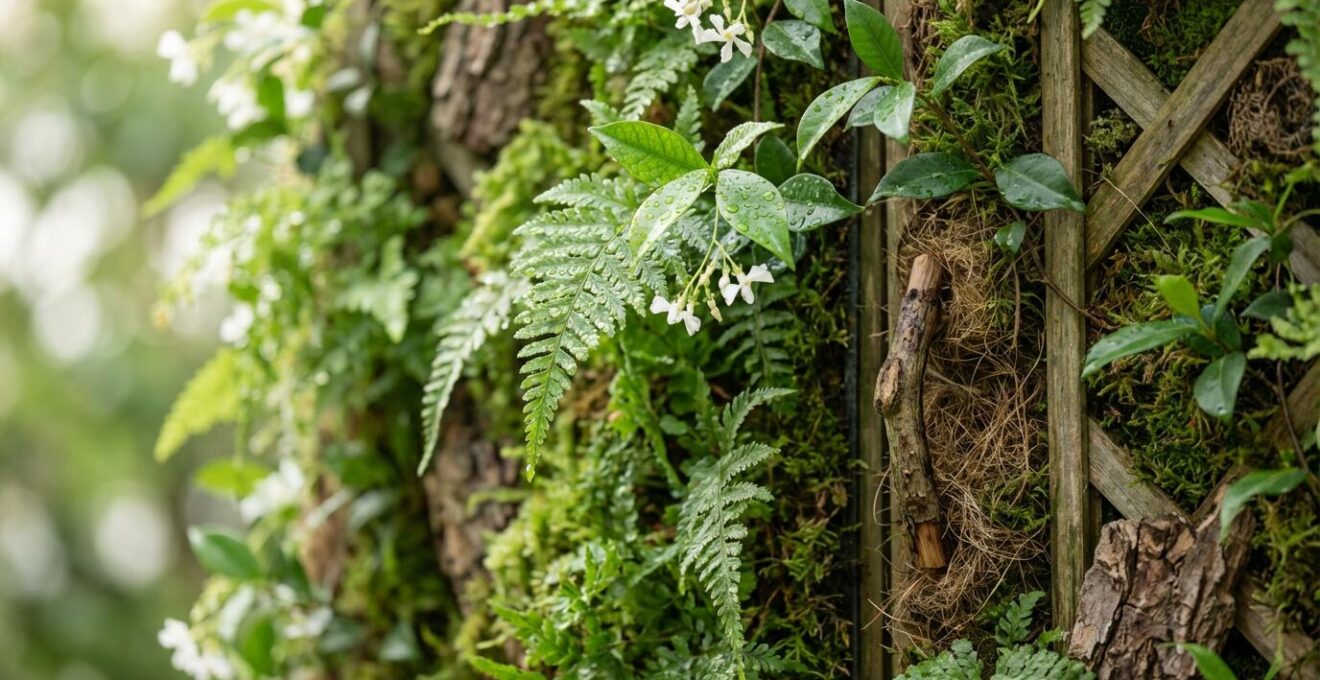
Another effective strategy is to use layered, dense planting. A carefully planned sequence of tall grasses, evergreen shrubs, and climbing vines on a trellis can create a natural, multi-depth screen. By creating a small, winding path through the plantings to the equipment area, access is maintained without compromising the solid, naturalistic view from the pool deck. The key is to think in layers, just as nature does. This approach not only hides the equipment but also adds depth, texture, and biodiversity to your poolside environment, reinforcing the feeling of being immersed in a natural, protected haven.
Ultimately, designing a pool that actively lowers cortisol is an exercise in intention. It requires moving past the conventional view of a pool as a feature and embracing it as a personalized therapeutic environment. Every choice, from the decibel level of your pump to the kelvin temperature of your lights, is an opportunity to send a signal of safety and calm to your nervous system. By curating the sensory experience with the principles of neuro-architecture, you create more than just a beautiful backyard; you build a functional, clinical-grade sanctuary for profound mental and physical restoration. Begin today by auditing just one sensory element of your pool area—the sound, the light, or the view. The path to a true sanctuary starts not with a grand renovation, but with a single, intentional choice.
Frequently Asked Questions on Poolside Meditation
What is the best time for pool meditation?
Early morning sessions help channel natural cortisol peaks positively, while late afternoon sessions (4-6 PM) create transitions from work stress.
How long should silent pool sessions last?
Start with 10 minutes for beginners and gradually work up to 30 minutes as you develop your practice.
Should pool equipment be turned off during meditation?
Yes, programming filtration systems to pause during designated quiet hours removes both sound and mental distraction.