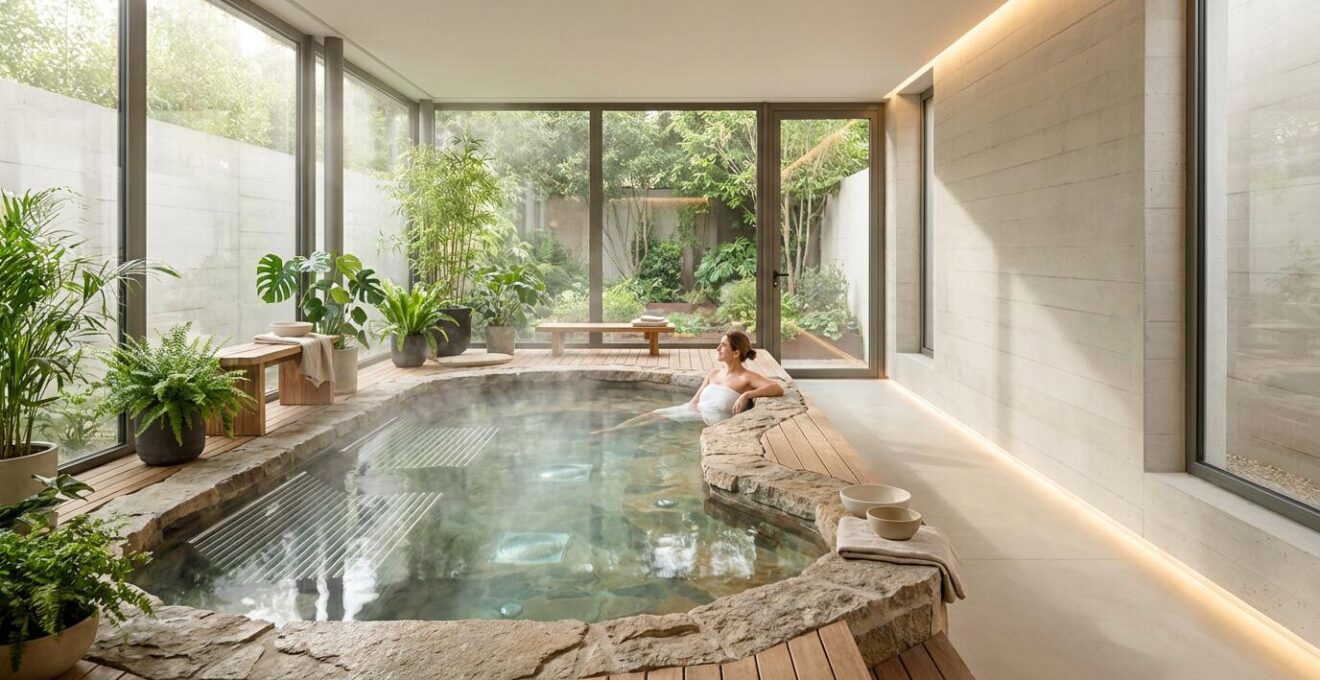
In summary:
- Aquatic immersion reduces body weight by up to 90%, significantly offloading painful joints and enabling gentle movement.
- Specific water temperatures target different conditions: warm water (33-35°C) for muscle tension and chronic arthritis, and cool water for acute inflammation.
- Mineral content, particularly magnesium chloride, offers therapeutic benefits beyond standard salt, aiding in muscle relaxation and improving skin tolerance.
- A holistic approach combining water chemistry, accessibility design, and environmental factors is crucial for creating a true rehabilitation experience.
For those living with chronic pain from conditions like arthritis or fibromyalgia, the dream of daily relief can feel distant. While thermal spas offer temporary respite, they are an infrequent luxury. The conventional wisdom often suggests a warm bath or a generic hot tub, but these solutions barely scratch the surface of true therapeutic potential. They focus on simple relaxation rather than structured, medical-grade rehabilitation. This approach overlooks the powerful physiological mechanisms that can be harnessed right in your residential pool.
The key to unlocking this potential lies in moving beyond the mindset of a “pool” and adopting the framework of a clinical hydrotherapy station. This isn’t about adding a few jets or bath bombs; it’s about a systematic application of scientific principles—hydrostatic pressure, thermal regulation, and mineral therapy—to create a personalized treatment environment. The difference between temporary comfort and sustained pain management is found in the precise control of these variables.
This guide deconstructs the science of balneotherapy, providing an evidence-based framework to transform your home pool into a powerful tool for daily pain relief. We will explore how to optimize water temperature, chemistry, and physical design to create not just a relaxing escape, but a dedicated space for your ongoing health and well-being. By understanding the “why” behind each element, you can build a truly effective at-home rehabilitation protocol.
This comprehensive guide details the scientific principles and practical steps for creating a clinical-grade hydrotherapy environment at home. Discover how to optimize every aspect of your pool for maximum therapeutic benefit.
Summary: A Clinical Guide to Home Balneotherapy
- Why does aquatic weightlessness reduce joint pain by 90%?
- Warm vs Cold: Which Temperature Best Treats Inflammation vs Muscle Tension?
- How to install ramps or lifts without ruining the pool aesthetics?
- Why Magnesium Pools Are the New Standard for Wellness Retreats at Home?
- How Cervical Waterfalls Relieve Office-Induced Neck Strain?
- The pH balance mistake that causes itching after 30-minute therapy sessions
- When to schedule balneotherapy to maximize sleep quality?
- How to Design a Pool Area That Reduces Cortisol Levels?
Why does aquatic weightlessness reduce joint pain by 90%?
The primary therapeutic principle of balneotherapy is the profound effect of buoyancy. When you are immersed in water up to your neck, you are only bearing approximately 10% of your body weight. This dramatic offloading of the musculoskeletal system is the cornerstone of aquatic pain relief. For an individual with arthritis, this means the compressive forces grinding on inflamed hip, knee, or spinal joints are almost entirely eliminated. This state of near-weightlessness creates a unique window of opportunity for movement that is impossible on land.
This isn’t just a feeling of lightness; it’s a measurable biomechanical change. In fact, recent biomechanical studies demonstrate that water-based exercises can lead to a 36% to 55% reduction in joint forces compared to similar land-based activities. This reduction in joint loading allows for an increased range of motion, gentle strengthening of supporting muscles, and improved circulation to the joint capsule without triggering a pain response. The water’s supportive embrace, known clinically as hydrostatic pressure, also provides gentle, consistent compression to the entire body, which can help reduce swelling and improve proprioceptive feedback—your body’s awareness of its position in space.
Therefore, a therapeutic immersion session is not passive floating. It is an active process of re-educating movement patterns in a safe, supportive environment. By removing the primary obstacle—gravity-induced pain—the body can begin to restore function and break the cycle of pain and immobility. Gentle knee bends, hip circles, and walking in deep water become not only possible but beneficial, promoting synovial fluid production and nourishing damaged cartilage.
Warm vs Cold: Which Temperature Best Treats Inflammation vs Muscle Tension?
Choosing the correct water temperature is a critical therapeutic decision, not a matter of simple comfort. Warm and cold water trigger distinct physiological responses, and using the wrong one can be ineffective or even counterproductive. The goal is to match the temperature to your specific symptoms. For chronic conditions like osteoarthritis or fibromyalgia, characterized by muscle tension and stiffness, warm water is the clinical choice. It acts as a vasodilator, widening blood vessels, increasing blood flow, and relaxing tight muscles.
Conversely, for acute inflammation, such as a recent injury or a flare-up of rheumatoid arthritis, cold water is indicated. It causes vasoconstriction, narrowing blood vessels to reduce blood flow to the area, which helps decrease swelling and numb pain-sensing nerves. Contrast therapy, alternating between hot and cold, is another powerful protocol often used for post-workout recovery to flush out metabolic waste and reduce muscle soreness. This method leverages both vasodilation and vasoconstriction to create a “pumping” action in the circulatory system.
The following table, based on protocols from clinical research, provides a clear guide for setting your pool’s temperature for specific therapeutic outcomes. As a study in the Journal of Clinical Medicine highlights, precise temperature control is a key factor in the efficacy of balneotherapy for conditions like arthritis.
| Condition | Optimal Temperature | Protocol | Key Benefit |
|---|---|---|---|
| Arthritis | 33-34°C (91-93°F) | 20-30 min immersion | Joint mobility improvement |
| Fibromyalgia | 35°C (95°F) | 15-20 min sessions | Pain reduction |
| Post-workout recovery | Contrast: 38-40°C / 8-10°C | 4:1 ratio (hot:cold) | Reduced muscle soreness |
| Acute inflammation | 10-15°C (50-59°F) | 1-2 min intervals | Vasoconstriction & swelling reduction |
As you can see, a one-size-fits-all “warm” temperature is insufficient for a medical-grade experience. Having a heating and potentially a cooling system that allows for this level of precision is fundamental to a therapeutic home pool.
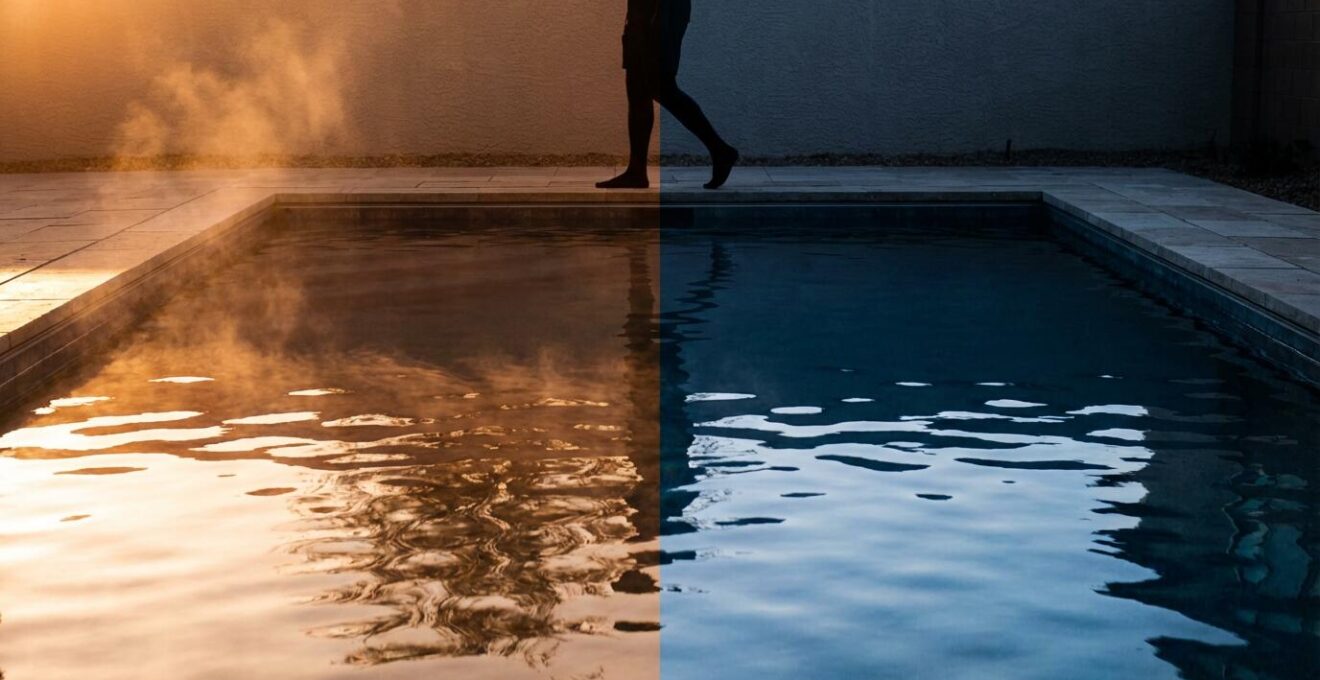
This visual representation of separate temperature zones underscores the clinical approach of using different temperatures for targeted therapeutic effects, moving beyond a single-temperature recreational model.
How to install ramps or lifts without ruining the pool aesthetics?
For individuals with significant mobility challenges, safe entry and exit are paramount. The fear of falling can negate all the potential benefits of aquatic therapy. Fortunately, modern accessibility solutions can be integrated seamlessly into a pool’s design, preserving aesthetics while ensuring safety. The choice of solution depends on the user’s specific medical needs, from those requiring gradual weight-bearing to those who are completely non-weight-bearing.
A sloped or “beach” entry offers the most integrated look, creating a gentle incline into the water. This is ideal for users who benefit from a slow, controlled transition, allowing them to acclimate to the water and gradually increase weight-bearing as they move into deeper areas. For existing pools, a fixed ramp with a gentle gradient (typically 1:12) is a more practical retrofit. When constructed with materials that match the pool’s decking and coping, it can appear as a deliberate design feature rather than a medical addition. For those with acute injuries or who cannot bear weight, a hydraulic lift is the safest option. Modern lifts are far from the bulky, clinical models of the past; many are low-profile, made from stainless steel or coated in complementary colors, and some are even portable and can be removed when not in use.
| Accessibility Type | Best For | Therapeutic Benefit | Installation Impact |
|---|---|---|---|
| Sloped Beach Entry | Progressive MS, Wheelchair users | Gradual weight bearing transition | Major renovation needed |
| Fixed Ramp (1:12 gradient) | Post-hip replacement | Controlled resistance exercises | Moderate pool modification |
| Hydraulic Lift | Non-weight bearing patients | Safe entry for acute injuries | Minimal structural change |
| Transfer Platform | Spinal cord injuries | Independent transfer capability | Deck-mounted, removable |
Beyond simple access, these pathways can be transformed into therapeutic zones. Integrating features along the ramp or entry path turns the journey into the water into part of the treatment itself.
Action Plan: Creating Therapeutic Stations Along Accessibility Paths
- Install grab bars at 36-inch intervals along ramp edges for stability and pulling exercises.
- Position underwater anchor points every 4 feet for attaching resistance bands for controlled strengthening.
- Add small bench platforms at turns or intervals along the ramp for rest, stretching, and seated exercises.
- Integrate textured surfaces on the ramp floor to provide proprioceptive feedback and improve foot awareness.
- Place adjustable handrails that can be set at different heights to double as exercise equipment mounting points.
Why Magnesium Pools Are the New Standard for Wellness Retreats at Home?
The water’s chemical composition is another pillar of effective balneotherapy. While traditional saltwater (sodium chloride) pools are an improvement over standard chlorine, the wellness industry is rapidly shifting toward magnesium chloride-based systems. This is not merely a trend; it’s based on the well-documented therapeutic properties of magnesium, particularly its role in muscle function and relaxation. When absorbed transdermally (through the skin), magnesium can help alleviate muscle cramps, reduce tension, and calm the nervous system.
Unlike sodium chloride, which can be drying for some, magnesium chloride has a smoother, “silkier” feel on the skin and is known to be more hydrating. This makes it a superior choice for individuals with sensitive skin or those undertaking the longer immersion sessions required for therapy. From an equipment standpoint, magnesium chloride is also generally less corrosive than sodium chloride, extending the life of heaters, pumps, and fixtures. To achieve mineral spring-like benefits, pools require a specific concentration; a common guideline is adding 1.5-2 kg of magnesium chloride per 10,000 liters of water.
The therapeutic benefits of different mineral systems vary significantly. Understanding these differences allows for a more informed choice when designing a home wellness pool, prioritizing muscle relaxation and skin health over simple sanitization.
| Mineral System | Muscle Relaxation | Skin Hydration | Anti-inflammatory | Equipment Impact |
|---|---|---|---|---|
| Magnesium Chloride | Excellent | Very Good | Excellent | Minimal corrosion |
| Potassium/Sodium blend | Good | Good | Moderate | Low impact |
| Dead Sea Salt mix | Very Good | Excellent | Good | Moderate scaling risk |
| Traditional Salt (NaCl) | Fair | Fair | Poor | Higher corrosion risk |
For a true wellness experience focused on pain management and relaxation, a magnesium-based system offers a clear advantage, transforming the water itself into an active therapeutic agent.
How Cervical Waterfalls Relieve Office-Induced Neck Strain?
Chronic neck strain, often a result of prolonged “tech neck” from office work, is a common complaint. A cervical waterfall or laminar jet can be a highly effective tool for addressing this, but it must be used correctly. The goal is not to blast the delicate cervical spine directly. Instead, the therapeutic benefit comes from targeting the large, powerful trapezius muscles that span from the base of the skull down to the shoulders. These muscles are often riddled with trigger points (knots) from poor posture.
The constant, steady pressure from a stream of warm water provides a form of hydro-massage that helps release these knots. Furthermore, the hydrostatic pressure of the water on the submerged body has a systemic effect. It provides constant sensory input to the nervous system, which responds by dulling pain sensitivity. This makes it easier to perform gentle stretches and release muscle tension that would otherwise be too painful. The combination of targeted massage, warmth, and systemic pain reduction creates a powerful protocol for relief.
Applying this technique correctly is key to its success and safety. The following protocol outlines a safe and effective 5-minute routine for releasing neck and trapezius tension using a waterfall feature.
Clinical Insight: The Role of Hydrostatic Pressure
Hydrostatic pressure applies constant, uniform resistance to the body, which continually signals the nerve endings. The nervous system responds by automatically down-regulating the reticular system, which is responsible for processing tactile sensory information. As a result, this process effectively dulls muscle pain sensitivity, making it easier to move, exercise, and stretch without the sharp pain typically felt on land.
This systematic desensitization allows for deeper and more effective release of chronic muscle tension, particularly in hard-to-reach areas like the trapezius.
The pH balance mistake that causes itching after 30-minute therapy sessions
A common complaint that can derail a home balneotherapy program is skin irritation, itching, or dryness after a session. This is often blamed on “the chlorine,” but the real culprit is frequently an incorrect pH balance. Standard recreational pools are typically maintained at a pH of 7.4 to 7.6, which is slightly alkaline. While this range is optimal for chlorine effectiveness, it can be harsh on the skin’s natural protective barrier, the acid mantle, which has a pH of around 5.5.
For therapeutic immersion, especially for sessions lasting 20-30 minutes, this pH mismatch can strip the skin of its natural oils, leading to irritation. From a clinical perspective, especially for those with sensitive skin or conditions like eczema, a more skin-neutral pH is required. In fact, dermatological research indicates that a pH of 7.0-7.2 is recommended for therapeutic pools to minimize irritation and maintain skin hydration. This slight adjustment can make a world of difference in comfort and compliance with a daily therapy regimen.
Beyond pH, the choice of sanitization system plays a huge role in skin tolerance. Traditional chlorine tablets are the most common irritant. Modern systems offer far gentler and often more effective sanitization. An Ozone/UV combination system, for example, is the gold standard, as it leaves minimal chemical residue in the water. For a truly integrated approach, magnesium-based systems not only sanitize but also deliver therapeutic benefits, as seen in many high-end wellness spas which use specific mineral compositions to improve skin hydration and reduce irritation.
When to schedule balneotherapy to maximize sleep quality?
The timing of your balneotherapy session can be strategically used to enhance one of the most critical aspects of recovery: sleep. Many people with chronic pain are trapped in a vicious cycle where pain disrupts sleep, and poor sleep exacerbates pain. A properly timed warm water immersion session can be a powerful, non-pharmaceutical tool to break this cycle. The key lies in understanding how it influences the body’s core temperature, a primary regulator of the sleep-wake cycle.
Your body’s core temperature naturally drops as you prepare for sleep. A warm bath or pool session an hour or two before bed artificially raises your body temperature. The subsequent rapid cool-down period after you get out mimics and enhances the body’s natural pre-sleep temperature drop, sending a powerful signal to the brain that it’s time to sleep. This is why a session right before bed can be counterproductive, as your core temperature will still be elevated. The optimal window is about 90 minutes before your desired bedtime.
This physiological trigger can be enhanced by creating a complete pre-sleep sensory protocol. This isn’t just about the time in the water; it’s about the entire ritual surrounding it. This protocol should focus on gradually signaling to your body and mind that the day is ending and a period of rest is beginning. This includes gentle movement, a mindful cool-down, and controlling the light and sound environment.
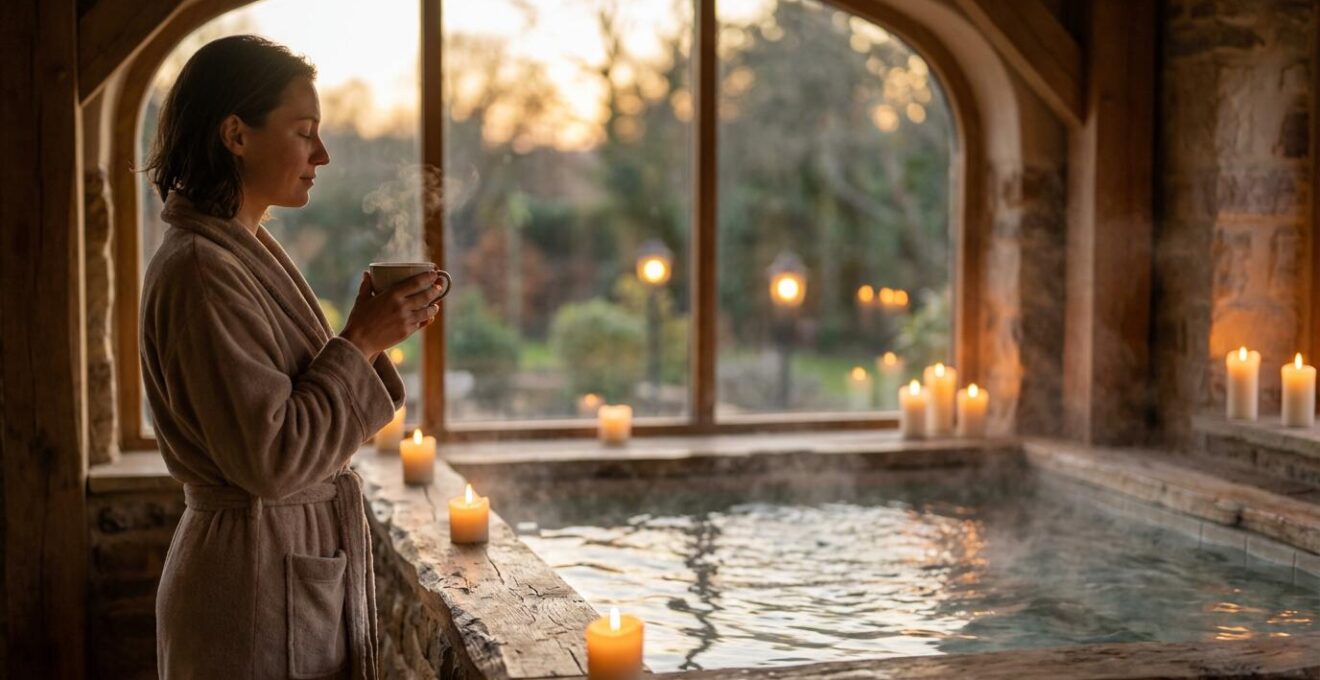
The ritual of preparing for an evening session, as depicted here, is as important as the immersion itself. It initiates the process of mental and physical unwinding necessary for restorative sleep.
Key Takeaways
- The effectiveness of home balneotherapy depends on a clinical, not recreational, approach.
- Key variables to control are water buoyancy, precise temperature, mineral chemistry (especially magnesium), and accessibility.
- Integrating therapy into daily life requires designing not just the pool but the entire surrounding environment to reduce stress and support wellness protocols.
How to Design a Pool Area That Reduces Cortisol Levels?
A truly therapeutic space addresses not only physical pain but also the psychological stress that accompanies it. The design of the pool area itself can either contribute to stress or actively help reduce it. The goal is to create an environment that lowers cortisol, the body’s primary stress hormone, and activates the parasympathetic nervous system, responsible for “rest and digest.” This goes far beyond aesthetics; it involves deliberate choices based on principles of neuro-architecture and biophilia—our innate human connection to nature.
Incorporating natural materials like unpolished stone, warm-toned wood, and abundant greenery helps to ground the senses and create a calming atmosphere. The sound of moving water, from a gentle waterfall or scupper, can mask distracting noises and has a meditative quality. Lighting is also critical; harsh, blue-toned overhead lights should be replaced with warm, low-level, indirect lighting, especially for evening sessions. As neuroscience research confirms that a 20-minute water immersion adjusts the autonomic nervous system in a way similar to meditation, creating a supportive environment amplifies this effect.
One of the most effective strategies is to design a dedicated “transition zone” between your house and the pool. This is a designated space where the outside world, with its digital distractions and mental clutter, is left behind. It’s a physical and mental buffer that prepares you for your therapy session. This zone doesn’t need to be large, but its purpose must be clear: it is a space for quiet preparation, signaling to your brain that a period of healing and restoration is about to begin.
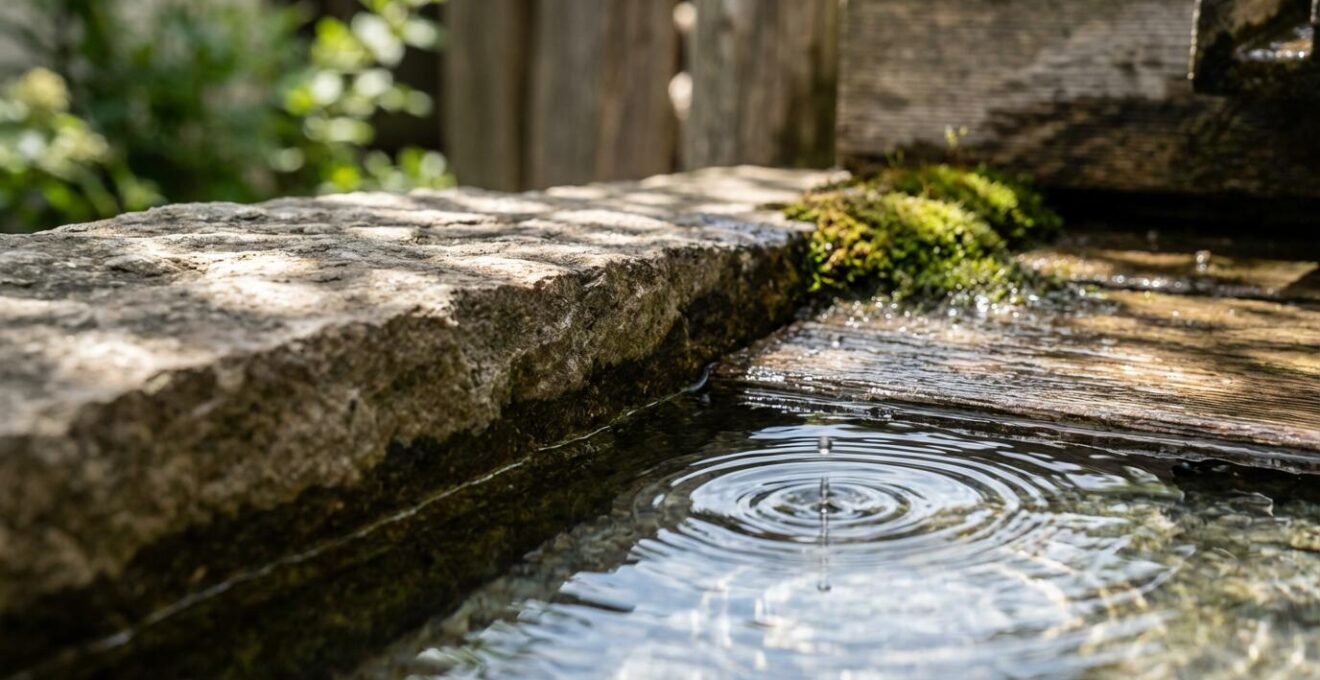
The use of biophilic design elements—natural textures, plant life, and the interplay of light and water—is fundamental to creating a space that actively calms the nervous system and supports the therapeutic process.
By systematically applying these clinical principles to your home pool, you move beyond simple recreation and create a powerful, personalized station for daily rehabilitation. The next step is to begin assessing your own space and needs to build a protocol that works for you. Start with one element—perhaps optimizing temperature or mineral content—and gradually build your complete home balneotherapy experience.