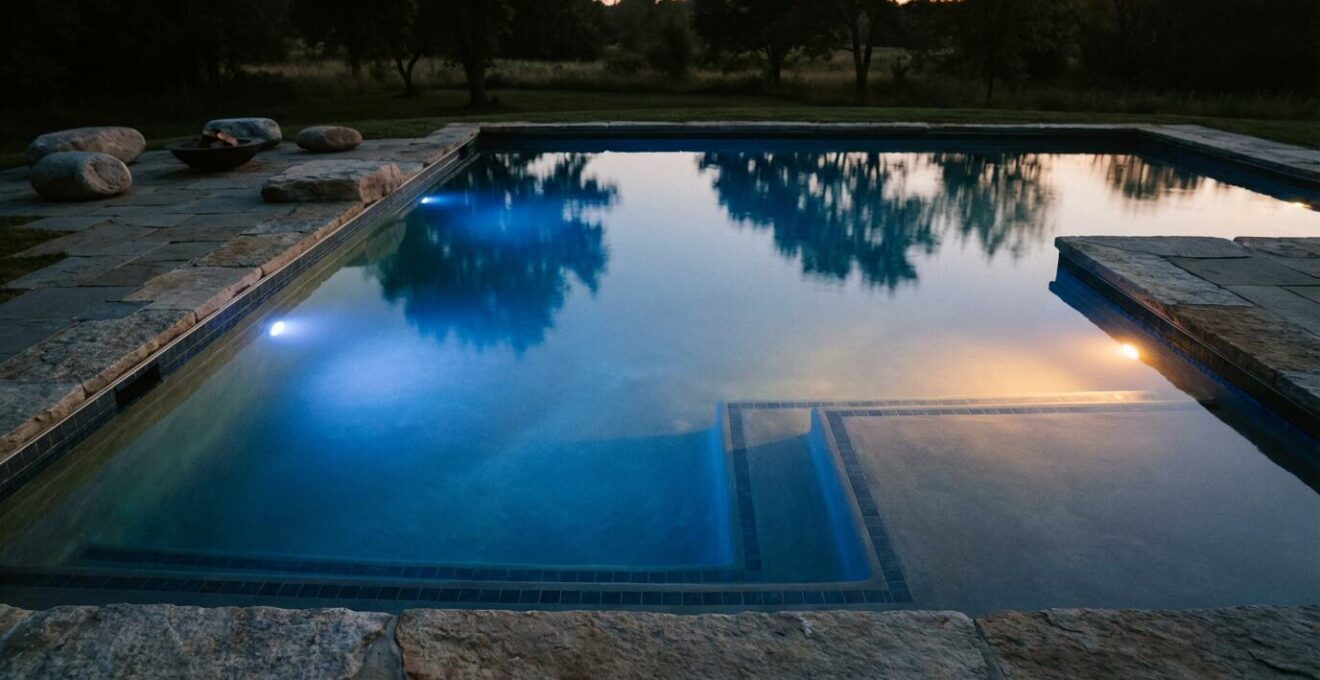
Contrary to popular belief, simply turning your pool light blue is not a scientifically sound strategy for stress reduction.
- True relaxation depends on a “Sunset Protocol”—a specific sequence of colors (warm white to orange to red) that mimics natural dusk.
- The type of LED (RGBW is superior), the transition speed, and the light intensity are more critical than the color itself for calming the nervous system.
Recommendation: Program your pool lights for gradual, slow-fading color shifts that end in dim, warm tones at least 90 minutes before bedtime to actively promote melatonin production and reduce cortisol.
At the end of a demanding day, the serene surface of a swimming pool promises a sanctuary, a place to disconnect and dissolve stress. Many pool owners intuitively turn to their LED lighting, often switching to a static blue, believing it to be the universal color of calm. While well-intentioned, this common practice barely scratches the surface of what’s possible and often overlooks the powerful, nuanced science of how light truly influences our psychology and physiology. It’s an approach that ignores the critical roles of color temperature, intensity, and timing.
The real key to transforming your pool from a simple recreational feature into a potent therapeutic tool lies not in a single color, but in understanding the language of light itself. It’s about applying principles of chromatic therapy and light hygiene to your aquatic environment. This involves more than just aesthetics; it’s a deliberate strategy to communicate with your body’s internal clock and nervous system. The difference between a pool that simply looks pretty and one that actively lowers your heart rate and prepares you for restorative sleep is in the details.
This guide moves beyond the platitudes. We will delve into the specific physiological mechanisms that dictate how your brain responds to different light wavelengths. You will learn not just *what* to do, but *why* it works, empowering you to create a scientifically-backed decompression ritual. We will cover how to program a ‘sunset’ sequence for gradual relaxation, choose the right technology for therapeutic color rendering, and design a holistic poolside environment that measurably reduces stress hormones, turning every evening dip into a deliberate act of wellness.
To help you navigate this scientific approach to relaxation, this article is structured to build your expertise from the ground up, from the biological why to the practical how. Explore the sections below to master the art of therapeutic pool lighting.
Summary: The Science of Using Pool Light Colors for De-Stressing
- Why does blue light calm the heart rate while red stimulates energy?
- How to program a “Sunset” sequence for gradual relaxation?
- RGB vs RGBW: Which LED Type Produces True Pastels for Therapy?
- The cycle speed mistake that induces headaches instead of relaxation
- When to dim the lights to enhance the melatonin production effect?
- How to Upgrade Halogen Lights to LEDs Without Draining the Pool?
- How to Design a Pool Area That Reduces Cortisol Levels?
- How to Choose Mosaic Tiles That Won’t Pop Off After Three Winters?
Why Does Blue Light Calm the Heart Rate While Red Stimulates Energy?
The notion that blue light is calming isn’t just a cultural association; it’s rooted in our neurobiology. The effect of color on our mood begins in the eye but extends deep into the brain. Our retinas contain specialized photosensitive cells, beyond the standard rods and cones, that contain a photopigment called melanopsin. These cells are particularly sensitive to blue light wavelengths (around 480nm) and communicate directly with the suprachiasmatic nucleus (SCN), often called the body’s “master clock.”
When blue light activates these cells during the day, it helps regulate our circadian rhythm and promotes alertness. In a controlled, relaxing context, this same pathway can be leveraged to activate the parasympathetic nervous system—our “rest and digest” mode. This activation helps to gently lower heart rate and blood pressure. As one study on the autonomic nervous system explains, this signaling is a fundamental part of how our body interprets environmental cues. The key is context and timing; this calming effect is beneficial in the early evening but can become disruptive late at night by suppressing melatonin.
Conversely, red and near-infrared light have a different physiological effect. These longer wavelengths can penetrate deeper into tissues, where they are thought to energize cellular mitochondria, the powerhouses of our cells. This may contribute to a feeling of gentle energy or warmth. A study from the University of California’s Color Lab observed these differential effects, noting that participants exposed to various colors after stress tests showed distinct physiological recovery rates, confirming that color is a powerful, non-invasive tool for modulating our internal state.
How to Program a “Sunset” Sequence for Gradual Relaxation?
The most effective way to use pool lighting for stress relief is not to choose one static color, but to program a dynamic sequence that mimics the most relaxing natural light show: the sunset. A sudden plunge into darkness or a single, unchanging color can be jarring. A gradual transition guides your mind and body into a state of calm. This “Sunset Protocol” is designed to align with your body’s natural circadian rhythm, signaling that the day is ending and it’s time to wind down.
The sequence should be programmed over a period of at least 30 minutes, starting about 90 minutes before your intended bedtime for an optimal effect on melatonin production. Here is a step-by-step protocol for creating this therapeutic experience:
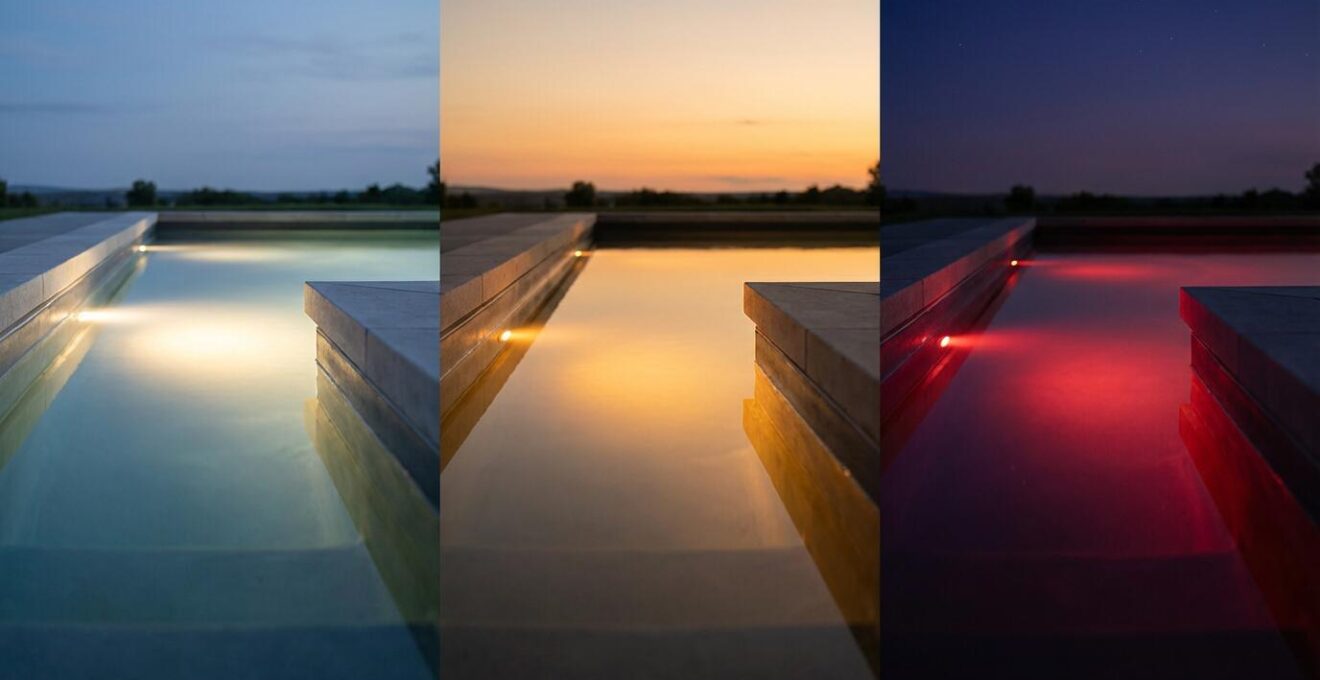
- Phase 1 (Afternoon Sun): Start with a warm white light (around 3000K). This simulates the bright but warm light of the late afternoon, creating a pleasant and inviting atmosphere.
- Phase 2 (Golden Hour): Over the next 10 minutes, program the lights to transition smoothly into a soft, golden orange (around 2700K). This is the “golden hour” effect, known for its warm, flattering, and emotionally soothing qualities.
- Phase 3 (Deep Sunset): Gradually shift the color over another 10 minutes into a deep, rich red (around 1800K). This phase has minimal blue light, preventing melatonin suppression.
- Phase 4 (Twilight Fade): For the final 10 minutes, allow the red light to slowly fade into a very dim purple or complete darkness, signaling the end of the day and preparing the body for sleep.
This sequence, visually represented below, works because it’s a bio-mimicking signal. It tells your brain, on a primal level, that the day is concluding and the time for rest has begun, making the relaxation you feel by the water deeper and more preparatory for a good night’s sleep.
By following this programmed sequence, you are actively using light as a tool to regulate your internal clock, moving far beyond simple decoration and into the realm of true chromatic therapy.
RGB vs RGBW: Which LED Type Produces True Pastels for Therapy?
When creating a therapeutic lighting environment, the quality of the color is just as important as the hue itself. Harsh, oversaturated colors can be agitating rather than relaxing. This is where the technology behind your LED lights becomes critical. The choice between standard RGB (Red, Green, Blue) and RGBW (Red, Green, Blue, White) systems has a significant impact on your ability to produce the soft, soothing tones ideal for stress reduction.
Standard RGB lights create white and pastel shades by mixing their three primary colors at high intensity. This often results in a white light that has a harsh, bluish, or purplish tint and can make pastel colors appear artificial and “electric.” For therapeutic purposes, this is counterproductive. RGBW systems solve this problem by including a dedicated white LED chip. This allows the system to produce a pure, clean white light and, more importantly, to create genuinely soft pastels by mixing the primary colors with this true white. The result is a more natural, subtle, and calming palette. In fact, some studies indicate that RGBW systems produce 40% softer color transitions, which are less jarring to the eye.
The following table, based on an analysis of underwater lighting technology, breaks down the key differences for creating a calming atmosphere.
| Feature | RGB LED | RGBW LED |
|---|---|---|
| Color Saturation | Highly saturated, pure colors | Soft, desaturated pastels possible |
| White Light Quality | Mixed RGB creates harsh white | Dedicated white chip for pure white |
| Therapeutic Effect | Can appear artificial and agitating | Natural, calming appearance |
| Color Temperature Range | Limited white options | 2700K-6500K variable white |
| Pastel Creation | Difficult, tends toward harsh tones | True soft pastels achievable |
For any wellness-oriented professional viewing their pool as a mental health tool, the choice is clear. Investing in an RGBW system is essential for achieving the nuanced, gentle color scapes that support genuine relaxation, rather than just providing a color-changing novelty.
The Cycle Speed Mistake That Induces Headaches Instead of Relaxation
Many modern pool lighting systems come with pre-programmed “show” modes that rapidly cycle through a rainbow of colors. While these might seem exciting for a party, they are the antithesis of a relaxing environment. The human brain and nervous system are highly sensitive to flickering and fast-changing lights, a phenomenon related to the “flicker fusion threshold.” When light changes too quickly, it can cause visual stress, eye strain, and even trigger headaches or feelings of anxiety in sensitive individuals.
Instead of inducing calm, a fast color cycle puts the brain on high alert, forcing it to constantly process new visual information. This is especially true for certain wavelengths. Research published in ACS Omega has shown that rapid light transitions within the blue-green spectrum during the evening are particularly unsuitable for relaxation, as they can interfere with the very hormonal processes you are trying to support. The goal of therapeutic lighting is to create an “imperceptible transition”—a change so slow and smooth that it’s barely noticeable, allowing the mind to let go rather than stay engaged.
To avoid this common mistake and ensure your lighting is truly restorative, follow these simple rules for setting up your color transitions:
- Set Long Transition Times: Program any color change to take a minimum of 5 to 10 minutes to complete. The slower, the better.
- Use Fade Effects: Always choose a “fade” or “dissolve” effect over an instantaneous “switch” or “cut” between colors.
- Embrace Static Scenes: For periods of deep relaxation, program long stretches (30+ minutes) of a single, static, warm color.
- Match Color to Need: During these static periods, you can choose specific hues for targeted effects, such as a soft green for mental rumination relief or a gentle amber for physical exhaustion recovery.
By prioritizing slow, gentle fades, you create a stable and predictable environment that signals safety and calm to your nervous system, allowing for genuine stress reduction.
When to Dim the Lights to Enhance the Melatonin Production Effect?
Beyond color and transition speed, the final and perhaps most crucial element for poolside relaxation is light intensity. Bright lights of any color, especially in the evening, can send a “daytime” signal to your brain, suppressing the production of melatonin, the hormone essential for sleep and relaxation. To create a truly therapeutic environment that prepares you for rest, you must actively manage the brightness of your pool lights.
The key is to keep the overall light level low, particularly the light that reaches your eyes. As a guideline, sleep experts recommend that evening light environments should not exceed certain brightness thresholds to preserve melatonin. Leading sleep researchers recommend maintaining light intensity below 30-50 lux at eye level, which is roughly the equivalent of the light from a dim table lamp or the glow of a campfire. Anything brighter, even warm-colored light, can start to interfere with your circadian rhythm.
To implement this “light-down” strategy effectively, integrate dimming into your evening pool routine. Here is a sample schedule that works in harmony with the “Sunset Protocol”:
- 8:00 PM: Begin your sunset sequence, starting with warm but relatively bright colors.
- 8:30 PM: As the sequence transitions to its final warm color (amber or soft red), begin to dim the intensity.
- 9:00 PM: Reduce the overall light intensity to its lowest functional setting, around 20% of maximum brightness, for the remainder of the evening.
- Post-Sunset: For the rest of the time you spend by the pool, stick to these very dim, warm colors (1800K-2700K) to create a “campfire glow” effect that is profoundly calming and protective of your natural sleep cycle.
By consciously dimming the lights as the evening progresses, you are providing the final, unequivocal signal to your body that the day is over. This simple act can dramatically enhance the stress-reducing effects of your poolside time and significantly improve your sleep quality afterward.
How to Upgrade Halogen Lights to LEDs Without Draining the Pool?
For many, the dream of a therapeutic lighting system is blocked by the reality of an outdated halogen pool light. The prospect of a costly and disruptive renovation—draining the pool, breaking concrete, and running new cables—is enough to deter anyone. Fortunately, modern technology offers a far simpler solution: LED retrofit kits. These kits are specifically designed to replace old halogen bulbs using the existing housing (niche) and wiring, making the upgrade a manageable, drain-free project.
The process typically involves lowering the water level slightly below the light, removing the old fixture from the niche onto the pool deck, swapping the bulb and gasket, and reinstalling it. However, not all retrofit kits are created equal, especially when the goal is wellness. Choosing the right kit is essential to unlock the full range of therapeutic options discussed in this guide. One innovative example is the Spa Electrics Retro R10 series, which features a quick-connect plug system that allows the new LED light to attach directly to the cut end of the existing cable inside the niche, eliminating complex and time-consuming wiring work.
When selecting a kit, you are not just choosing a light; you are choosing a therapeutic tool. Use the following checklist to ensure your choice meets the standards for a truly wellness-ready system.
Your Audit Checklist for a Wellness-Ready LED Upgrade
- Verify System Capability: Does the kit offer RGBW (Red, Green, Blue + White) functionality? This is non-negotiable for producing the soft, therapeutic pastels and pure whites needed for a calming effect.
- Assess Color Quality: Check for a high Color Rendering Index (CRI), ideally above 90. A high CRI ensures that colors appear natural and vibrant, not artificial or washed out.
- Confirm Smart Integration: Does the system offer compatibility with your preferred smart home platform (Wi-Fi, Zigbee, Z-Wave, or Bluetooth)? This is crucial for programming the custom “Sunset” sequences and dimming schedules.
- Match Technical Specifications: Confirm the voltage (typically 12V or 120V) matches your existing system and that the retrofit kit is designed to fit your specific niche size and brand without modifications.
- Check for Programmability: Ensure the model you choose has programmable memory for saving your custom scenes. You don’t want to have to reprogram your perfect “Sunset Protocol” every time you turn on the lights.
By carefully auditing your options with these points in mind, you can confidently upgrade your pool’s lighting and unlock its full potential as a cornerstone of your daily stress-reduction ritual.
How to Design a Pool Area That Reduces Cortisol Levels?
Truly effective stress reduction is a multi-sensory experience. While therapeutic lighting is a powerful tool, its effects are magnified when the entire pool area is designed as a cohesive sanctuary. The goal is to create an environment that minimizes stressors and actively engages the senses in a calming way, which can have a measurable impact on your body’s stress hormones. This approach, known as biophilic design, involves incorporating natural elements and patterns to foster a connection with nature.
The power of this connection is not merely psychological. As research from INTEGRIS Health confirms, documented lower cortisol levels are associated with exposure to natural environments. By extending these principles to your pool deck, you create a holistic “decompression zone” that works in harmony with your lighting strategy. It’s about crafting an immersive experience that tells your entire body it’s time to relax.
Consider integrating the following elements to transform your pool area into a cortisol-reducing oasis:
- Auditory Masking: Install a small fountain or water feature. The gentle sound of trickling water is a form of “pink noise” that can mask jarring background sounds and has been shown to reduce levels of stress hormones like cortisol and epinephrine.
- Natural Forms & Materials: Opt for curved, organic lines in your landscaping and furniture rather than harsh angles. Use natural materials like wood decking, travertine, or unpolished stone coping, which are more soothing to the eye and touch.
- Layered Lighting: Supplement your in-pool lights with other low-intensity, warm light sources. Soft path lights, gentle uplighting on trees, or even string lights can create a layered, magical effect that eliminates dark, intimidating voids.
- Natural Aromatherapy: Plant fragrant, calming botanicals like jasmine, lavender, or gardenia near the pool area. Their natural scent will provide a gentle aromatherapy experience as you relax.
- Dedicated Comfort Zone: Create a specific area designed for total relaxation with oversized, deeply cushioned loungers or daybeds, signaling that this is a space for rest, not just sitting.
- Enforce a “No-Tech” Policy: The most important design element can be a rule. Designate the immediate pool area as a no-phone zone to eliminate the primary source of modern stress and allow for true mental disconnection.
By weaving these elements together, you create a powerful sensory narrative of calm that supports and enhances the therapeutic effects of your carefully programmed pool lighting.
Key Takeaways
- Effective stress reduction is about strategic light sequencing and intensity control, not just selecting a single “calming” color.
- For creating therapeutic, soft pastel colors and a pure, natural white, RGBW LED systems are vastly superior to standard RGB lights.
- Slow, gradual transitions taking 5-10 minutes and dimming lights to a low “campfire” glow are critical for calming the brain and promoting melatonin.
How to Choose Mosaic Tiles That Won’t Pop Off After Three Winters?
While ensuring your pool tiles can withstand the freeze-thaw cycles of winter is a crucial practical necessity, their role extends far beyond durability. The finish and color you select are the final, essential brushstroke in your light therapy canvas. The tile surface is the stage upon which your carefully programmed lighting will perform, and its characteristics can dramatically alter the mood and therapeutic effect of the light.
The interaction between light and the pool’s interior surface is a critical component of the overall design. A glossy tile will create sharp, dynamic, and energizing reflections and caustic patterns on the water’s surface. In contrast, a matte or textured tile will absorb and diffuse the light, resulting in a softer, more uniform, and profoundly calming glow. Therefore, for a pool designed primarily for relaxation, a matte-finish tile is the superior choice as it supports a tranquil ambiance.
The color of the tile itself also plays a foundational role, setting the base “color temperature” of the water before the lights are even turned on. The team at Lifestyle Pools eloquently notes the psychological impact of these choices.
Pale blue calms the mind and reduces stress, ideal for morning swims or yoga by the water.
– Lifestyle Pools Design Team, The Psychology of Pool Colors
This table further illustrates how different tile finishes and colors interact with your lighting to shape the pool’s atmosphere.
| Tile Finish | Light Effect | Mood Impact |
|---|---|---|
| Glossy | Sharp caustic patterns, dynamic reflections | Energizing, stimulating |
| Matte/Textured | Soft, diffused glow | Calming, relaxing |
| Dark Colors | Mysterious depth, heat retention | Dramatic, contemplative |
| Light Blue/White | Bright, clear water appearance | Fresh, invigorating |
Ultimately, selecting a durable, frost-proof porcelain or glass tile is the first step. The second, equally important step, is to choose a finish and color that aligns with your therapeutic goals. A light-colored, matte-finish tile will provide the perfect canvas for your “Sunset Protocol,” ensuring the light is soft, diffused, and maximally relaxing.
By integrating these scientific principles into your choices—from the LED technology to the tile finish—you can transform your pool from a mere backyard feature into a powerful, personalized tool for managing stress and enhancing your well-being. Start applying these strategies today to create your own nightly ritual of decompression and calm.