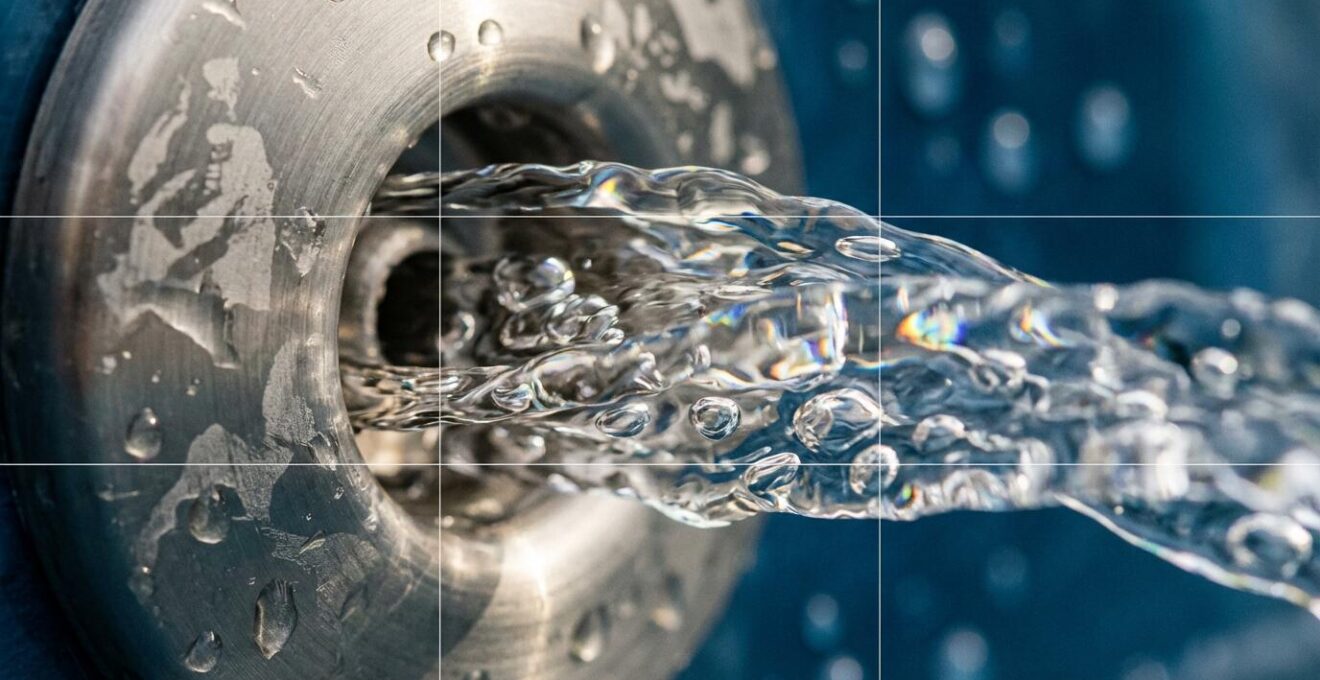
The immense power boost you feel from spa jets isn’t from a bigger pump; it’s a brilliant physics trick that multiplies force for free.
- The Venturi effect uses the water’s own velocity to suck in and mix air, creating a lower-density, higher-impact stream.
- This air-water mixture transfers momentum more effectively, creating a powerful percussive massage without any additional electrical cost.
Recommendation: Master the air control dials on your spa. They are not just for bubbles; they are sophisticated tools for tuning the intensity and style of your hydrotherapy from gentle relaxation to deep-tissue massage.
Anyone who has used a hot tub or spa knows the satisfying moment you turn the air control dial. The gentle stream of water erupts into a turbulent, powerful jet that seems to double in force. The common assumption is that this requires more power, a hidden booster pump kicking in. Yet, your energy meter doesn’t budge. This isn’t magic; it’s a masterful application of fluid dynamics known as the Venturi effect. It’s a system designed to multiply massage intensity without consuming a single extra watt of electricity.
While many focus on the pump’s horsepower, the real secret to an exceptional massage lies in the intelligent design of the jet itself. It’s not about brute force, but about a clever energy conversion happening right at the nozzle. By understanding this principle, you can move beyond simply turning jets on and off. You can learn to fine-tune your hydrotherapy experience, optimize your spa’s energy use, and even troubleshoot performance issues yourself.
This article demystifies the science behind your spa jets. We will explore the physics of how adding air amplifies pressure, guide you on maintaining this power, and show you how this single principle is leveraged for everything from targeted pain relief to advanced athletic training. We’ll even delve into the crucial efficiency trade-offs, like heat loss, and examine how modern pump technology completes this high-efficiency hydrotherapy ecosystem.
To fully grasp how you can transform your pool or spa into a peak-performance hydrotherapy machine, we will break down each critical component. The following sections will guide you through the science, maintenance, and application of this remarkable technology.
Summary: The Science of Maximizing Spa Jet Power Without Extra Energy
- Why does adding air to the water stream increase the massage intensity?
- How to clean air intake valves to restore lost jet power?
- Rotary vs Directional: Which Jet Type Best Targets Lower Back Pain?
- The pressure mistake that causes bruising instead of relaxation
- When to close the air dial to keep the water temperature higher?
- How to Train for a Triathlon in a 4-Meter Pool?
- How Hydrotherapy Features Transform a Simple Pool into a 5-Star Resort?
- How Variable-Speed Pumps Pay for Themselves in Less Than 24 Months?
Why does adding air to the water stream increase the massage intensity?
The dramatic increase in massage force from an aerated jet is a direct result of the Venturi effect, a core principle of fluid dynamics. It’s not that the air itself is pushing you harder; instead, the air fundamentally changes the properties of the water stream. As the pump pushes water through a jet, the nozzle is designed with a constriction, like an hourglass. This forces the water to accelerate dramatically. According to Bernoulli’s principle, this increase in velocity creates a corresponding drop in pressure. This low-pressure zone creates a vacuum, sucking air from the surface through a small intake line.
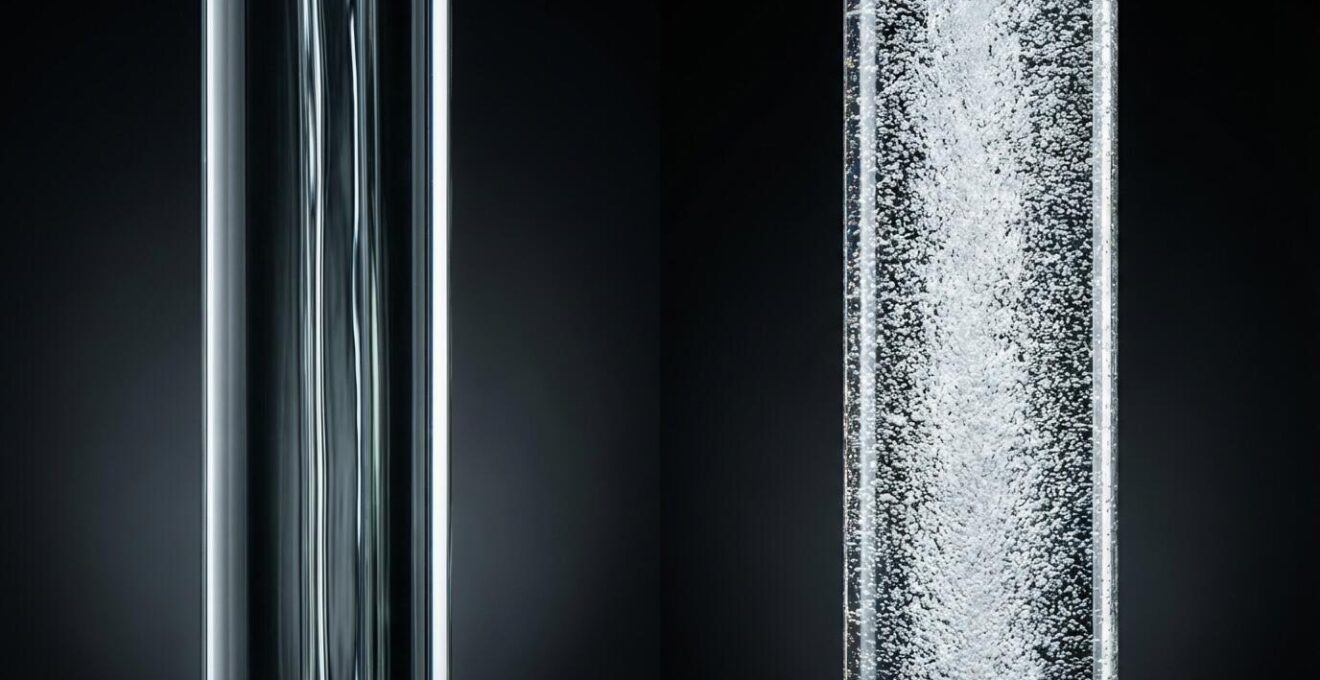
Once inside the jet, the air forms thousands of micro-bubbles. This is where the magic of momentum transfer happens. The aerated water is less dense than a solid stream, but it travels at a higher velocity. When this turbulent, bubbly mixture hits your body, the bubbles collapse on impact, transferring their kinetic energy in a rapid, percussive manner. This creates a much more intense sensation than the steady push of water alone. Hydrotherapy engineering experts confirm this phenomenon can lead to a 30-50% increase in perceived massage intensity. The jet transforms the smooth flow of the pump into a high-impact, deep-tissue massage tool, all without needing extra electrical power.
How to clean air intake valves to restore lost jet power?
If you’ve noticed your once-powerful jets have lost their bubbling fury, the culprit is often a blocked Venturi air intake. As a user on a popular forum described the classic symptom: – “When I initially turn on the spa, it works for about 8-10 seconds, then the bubbling action stops.” This happens because the vacuum created by the jet is no longer strong enough to pull air, or the air line itself is clogged. This blockage is typically caused by debris, leaves, or a buildup of calcium scale over time. Without the air mixture, the jet reverts to a simple water stream, losing its percussive power and intensity.
Restoring this function is usually a simple maintenance task that doesn’t require a service call. The goal is to clear the air line that runs from the air control dial on the top of the spa shell down to the jet body. By ensuring this pathway is clear, you allow the Venturi effect to function properly again, instantly restoring the jet’s performance. It’s a crucial maintenance step to ensure you’re getting the full therapeutic benefit from your spa’s hydrotherapy system.
Action Plan: Restoring Lost Jet Power in 5 Steps
- Test for Suction: Turn the jets on and the air control fully open. Place your finger over the small air intake hole inside the air control valve on the spa shell. If you don’t feel suction, the venturi is blocked.
- Clear the Line: Use a small, flexible wire or a pipe cleaner to gently probe the air line through the intake hole to dislodge any physical blockage like debris or insects.
- Dissolve Buildup: For stubborn clogs, use a turkey baster to squirt a small amount of white vinegar into the air line. Let it sit for an hour to dissolve any calcium scale buildup.
- Scrub the Opening: Use a small brush (like a toothbrush) to scrub any visible buildup from the opening of the air control valve to ensure a clean seal and smooth operation.
- Check Water Flow: Finally, check and clean your spa’s main filters. A dirty filter restricts water flow, which weakens the Venturi effect and reduces the jet’s ability to draw in air.
Rotary vs Directional: Which Jet Type Best Targets Lower Back Pain?
Choosing the right jet for lower back pain depends on the nature of the discomfort. It’s a decision between focused intensity and broader muscle relief, a choice directly influenced by jet design. Directional jets are the snipers of hydrotherapy. They produce a single, powerful, and focused stream of water. You can aim this stream precisely at a trigger point or a tight knot in the lower back muscles, delivering deep, penetrating pressure. For acute, localized pain, the force of a directional jet is often unmatched.
On the other hand, rotary jets (or rotating jets) are designed for a wider massage area. They break a single stream into multiple streams that spin in a circular motion. This creates a kneading, rubbing sensation that is excellent for relieving general stiffness and soreness across the entire lower back region. Instead of targeting one spot, they work on a larger muscle group, increasing circulation and easing tension over a broader surface. The choice is not about which is “better” but which is the right tool for the job.
This table compares how each jet type leverages the air-water mix for different therapeutic outcomes, helping you select the best option for your specific lower back needs.
| Jet Type | Best For | Massage Pattern | Air Mix Strategy |
|---|---|---|---|
| Directional Jets | Targeting specific areas with adjustable, powerful water flow | Focused, deep pressure point | Less air for hydraulic force |
| Rotary Jets | Wider massage area, great for neck and broader muscle groups | Circular, kneading motion | More air for percussive effect |
The pressure mistake that causes bruising instead of relaxation
While the power of Venturi jets is their greatest asset, it can also be their biggest liability if used incorrectly. The most common mistake is applying intense, direct pressure to a single spot for too long. The goal of hydrotherapy is to increase blood flow and release muscle tension, not to punish the muscle into submission. Holding a powerful directional jet on a sensitive area or a bony prominence (like the spine, shins, or ribs) can over-stimulate the tissue, damage small blood vessels, and lead to bruising and soreness—the exact opposite of relaxation.
The sensation of “more is better” can be misleading. A truly effective massage involves variation and movement. Instead of a static, high-pressure blast, a better approach is to keep your body moving gently in front of the jet or to use rotary jets that naturally vary the point of contact. Furthermore, the air mixture itself plays a role. A fully aerated stream has a more percussive, “slapping” quality, while a stream with less air has a deeper, more hydraulic push. Reducing the air mixture when targeting sensitive areas can provide a more comfortable and productive deep-tissue massage.
True relaxation comes from working with the jets, not against them. Listen to your body and follow these guidelines to ensure your hydrotherapy sessions are always safe and restorative.
- Limit direct exposure from a high-pressure jet to no more than 2-3 minutes per area to prevent over-stimulation.
- Reduce the air mixture when massaging sensitive areas like the ribs, neck, or shins for a gentler, deeper pressure.
- Use your spa’s controls to turn individual jets on or off to create a customized therapy session that avoids areas of injury or sensitivity.
- Opt for rotary jets instead of directional jets if you have sensitive skin, as their moving pattern is less likely to cause irritation.
- Instead of remaining stationary, move your body continuously in front of the jets to distribute the pressure and massage a wider muscle area.
When to close the air dial to keep the water temperature higher?
The “free” power boost from Venturi jets comes with one significant trade-off: heat loss. The same mechanism that sucks in air to create powerful bubbles is also introducing ambient air into your heated spa water. If the outside air is cold, you are actively injecting coldness into the system. This forces your spa’s heater to work harder to maintain the set temperature, leading to increased energy consumption. While the jets themselves don’t use more electricity, the secondary effect on the heater can be substantial, especially in winter.
Closing the air dials effectively “turns off” the Venturi effect for those jets. They will still produce a stream of water, but they will no longer draw in the colder outside air. This is a critical strategy for energy conservation. The best times to close the air dials are during the initial heating period of the spa and during long soaks in cold weather when you are not actively seeking an intense massage. According to some analyses, running the air jets can be a significant factor in a spa’s energy use, with some reports noting that air jets can cause heaters to work harder and increase indirect energy costs over time.
Winter Energy Saving Strategy
A smart energy-saving strategy combines both passive and active management. Using a high-quality thermal cover is the most critical factor, as it can reduce heat loss by up to 70%. In conjunction with this, active management of the air controls provides an additional layer of savings. A proven method for winter use is to keep air jets closed during initial heating and then cycle them during use (e.g., 5 minutes on for intense massage, 10 minutes off to conserve heat). This combined approach allows you to enjoy the full therapeutic benefits of aerated jets while minimizing their impact on your energy bill.
How to Train for a Triathlon in a 4-Meter Pool?
A 4-meter swim spa may seem small for serious athletic training, but when equipped with powerful, adjustable jets, it transforms into an aquatic treadmill. The key is using the jets not for massage, but to create a continuous, variable-speed current to swim against. This allows an athlete to swim for miles without ever making a turn, perfectly simulating the endurance required for the swimming leg of a triathlon. This is a far more advanced application of jet technology, moving beyond simple hydrotherapy into high-performance training.
Modern swim spas utilize sophisticated pump and jet systems to generate a smooth, wide, and turbulence-free current. Athletes can precisely adjust the speed of this current to match their training needs, from a slow, steady pace for endurance workouts to a powerful flow for high-intensity interval training (HIIT) and sprint practice. By positioning their body at different angles to the current, they can even simulate the challenging conditions of open water swimming, such as cross-currents and chop.
After an intense swim, the same spa can be used for recovery. The athlete can switch the system from generating a current to powering the hydrotherapy seats, using the Venturi massage jets to target sore muscle groups like the shoulders, back, and legs. This dual-functionality is what makes a swim spa such a versatile tool for triathletes, as noted by industry experts: – “Swim spas combine powerful jets for exercise with massage jets for relaxation, offering a versatile spa experience.”
- Utilize variable-speed pumps to create a fully adjustable resistance current, allowing you to tailor the workout intensity from recovery pace to all-out sprint.
- Practice interval training by alternating between high-velocity sprints against the jet streams and periods of lower-intensity swimming.
- Change your body’s angle and position relative to the jets to mimic the unpredictable turbulence and cross-currents of open water.
- Leverage the Venturi massage jets post-swim for targeted muscle recovery, focusing on the lats, shoulders, and leg muscles.
- Create complete training circuits by alternating between cycles of swimming against the current and recovery periods using the massage jets.
How Hydrotherapy Features Transform a Simple Pool into a 5-Star Resort?
The difference between a simple backyard pool and a luxurious, resort-style spa lies in the thoughtful integration of multi-sensory hydrotherapy features. While a basic pool is for recreation, a high-end spa is an engineered environment for relaxation and wellness. The Venturi jet is a cornerstone of this transformation, but it’s how it’s combined with other features that creates a truly premium experience. Top-tier spa designs go far beyond just having powerful jets; they create a holistic therapeutic ecosystem.
This is achieved by layering different technologies. Premium installations use strategic jet placement to create distinct therapy zones within the spa—one seat might feature gentle, bubbling jets for the neck, while another offers powerful, deep-tissue rotary jets for the lower back. This is then enhanced with other sensory inputs. Chromotherapy (LED lighting) is used to set the mood, with different colors promoting relaxation or energy. Aromatherapy dispensers infuse the air with calming or invigorating scents. Finally, features like waterfalls and water curtains add a soothing auditory element while providing a gentle massage for the neck and shoulders.
Multi-Sensory Spa Experience Design
Modern spa design is an exercise in synergy. Designers orchestrate an experience by combining the enhanced bubbling from the Venturi effect with a meticulous layout of jets for comprehensive body coverage. A premium installation layers this physical therapy with chromotherapy LED lighting that cycles through calming hues, integrated aromatherapy dispensers that release essential oils into the steam, and waterfall features that provide both a soothing soundscape and a gentle neck massage. This creates distinct therapy stations within a single spa, elevating it from a simple hot tub to a multi-sensory wellness retreat.
Furthermore, this luxury doesn’t have to come with an exorbitant energy cost. Modern energy-efficient spas are designed with superior insulation, dedicated circulation pumps, and smart controls that minimize power usage. A study shows that an energy-efficient hot tub uses 878 fewer kilowatt-hours per year than a typical model, proving that a five-star experience can also be a sustainable one.
Key Takeaways
- The Venturi effect is a physical principle that uses water velocity to create a vacuum, sucking in air to amplify massage power without extra energy cost.
- Mastering your spa’s air controls is crucial for balancing massage intensity with heat retention and energy efficiency, especially in colder climates.
- Proper jet maintenance, specifically cleaning air intake valves, is essential to ensure your hydrotherapy system performs at its peak.
How Variable-Speed Pumps Pay for Themselves in Less Than 24 Months?
The variable-speed pump (VSP) is the brain behind the brawn of a modern, efficient hydrotherapy system. Unlike a traditional single-speed pump that runs at full power or not at all, a VSP can be precisely controlled to run at the exact speed needed for the task at hand. This ability to fine-tune flow rates is the key to massive energy savings. For general filtration and heating, a VSP can run at a very low, near-silent speed, consuming a fraction of the energy of its single-speed counterpart. For instance, some high-efficiency circulation pumps continuously circulate water while using less energy than a forty-watt light bulb.
When it’s time for a massage, the VSP can ramp up to deliver the powerful flow needed to drive the Venturi jets. This means you are only using high power when you actually need it, eliminating wasted energy during the 99% of the time the spa is in filtration mode. This intelligent use of energy is why VSPs can often pay for their higher initial cost in under two years through electricity savings alone.
The benefits extend beyond just cost savings. VSPs are significantly quieter, creating a more peaceful environment. They also allow for greater customization of the massage itself, as the user can adjust the base water flow to create anything from a gentle caress to a powerful, deep-tissue massage. The comparison between single-speed and variable-speed technology is stark.
| Feature | Single-Speed Pump | Variable-Speed Pump |
|---|---|---|
| Energy Savings | Baseline consumption | Up to 90% savings on circulation |
| Noise Level | Constant high noise during cycles | Near-silent at low speeds |
| Massage Customization | Fixed pressure only | Precise base flow adjustment |
| Payback Period | N/A | 18-24 months typical |
Understanding the physics of Venturi jets and the efficiency of variable-speed pumps empowers you to make smarter decisions, whether you are buying a new spa or optimizing your current one. By leveraging these principles, you can enjoy a superior hydrotherapy experience that is both powerful and economical. To put these concepts into practice, the next logical step is to assess your own equipment and usage habits to identify opportunities for improvement.