Wellness & Relaxation
The modern residential pool has evolved far beyond a simple recreational amenity. Today’s wellness-focused homeowners are transforming their aquatic spaces into comprehensive therapeutic environments that address both physical rehabilitation and mental restoration. This shift reflects a growing understanding that water, when properly engineered and thoughtfully designed, becomes a powerful medium for holistic health improvement.
Creating a true wellness pool requires integrating multiple specialized systems—from advanced filtration technologies that benefit skin health, to precisely calibrated hydrotherapy features that target muscular tension, to sensory elements like chromotherapy lighting and acoustic design that influence mental state. Each component plays a distinct role, yet they must work harmoniously to deliver a cohesive therapeutic experience. This comprehensive exploration examines the key features and design principles that elevate a standard pool into a personal wellness sanctuary.
The Foundation: Water Quality as Therapeutic Medicine
The quality of your pool water extends far beyond clarity and sanitation—it directly impacts dermatological health and the overall therapeutic value of every immersion. Advanced filtration systems using specialized media can remove microscopic contaminants that traditional sand filters miss, creating water so pure it actually benefits skin conditions rather than aggravating them.
Bio-Mineral Filtration Technology
Unlike conventional filtration media, bio-mineral compounds actively interact with water at the molecular level. These naturally occurring minerals—such as volcanic zeolites or glass media—provide a massive surface area for beneficial bacterial colonization while mechanically trapping particles down to 3-5 microns. The result is water that feels noticeably softer against skin and requires significantly fewer harsh chemicals to maintain balance.
Mineral-Rich Water Therapy
Mineral therapy systems introduce therapeutic compounds directly into your pool water, mimicking the healing properties of natural mineral springs. Salt chlorination systems can be enhanced with magnesium supplements, creating a bathing experience that promotes transdermal mineral absorption. The skin, our largest organ, absorbs these beneficial minerals during extended soaks, potentially supporting muscle relaxation and electrolyte balance. Key considerations include:
- Selecting the appropriate salt type (avoid iodized table salt; choose pool-grade or sea salt)
- Balancing mineral levels to therapeutic ranges without causing equipment corrosion
- Regular testing to maintain optimal concentration for both comfort and efficacy
- Monitoring for calcification buildup in filtration media and heat exchangers
Sound and Silence: Engineering Acoustic Comfort
One of the most overlooked aspects of wellness pool design is acoustic management. The mechanical symphony of pumps, filters, and circulation systems can transform a potentially tranquil space into a source of subtle but persistent stress. Acoustic comfort becomes especially critical in enclosed spaces, courtyards, or small urban gardens where sound has nowhere to dissipate.
Understanding decibel ratings helps you make informed equipment selections. A quality variable-speed pump operating at low RPM might produce just 45-50 decibels—comparable to a quiet library—while an older single-speed model can generate 70+ decibels, similar to highway traffic. This difference profoundly impacts your ability to achieve mental disconnection during pool sessions.
Practical Noise Reduction Strategies
Effective soundproofing begins with intelligent equipment placement. Positioning pumps and heaters in dedicated enclosures away from primary relaxation zones provides the first line of defense. Constructing a proper equipment pad with vibration-dampening materials, acoustic insulation, and sound-absorbing panels can reduce perceived noise by 60-70%. Additional considerations include:
- Installing pumps on rubber isolation mounts to prevent vibration transmission through concrete
- Using flexible couplings on all pipe connections near equipment
- Scheduling filtration cycles during non-use hours to preserve silence during peak relaxation times
- Preventing cavitation noise through proper pipe sizing and eliminating air leaks in suction lines
Hydrotherapy: Transforming Water into Physical Medicine
Water’s unique physical properties—buoyancy, resistance, and thermal capacity—make it an exceptional medium for both therapeutic rehabilitation and athletic performance enhancement. Properly designed hydrotherapy features can address everything from chronic upper body tension to serious athletic training protocols.
Medical-Grade Rehabilitation Features
The principle of water buoyancy reduces effective body weight by approximately 90% when submerged to neck level, enabling pain-free movement for individuals with joint conditions, mobility limitations, or post-surgical recovery needs. Transforming a residential pool into a rehabilitation station requires several specific design elements:
- Temperature regulation systems capable of maintaining therapeutic warmth (92-96°F) independently from recreational swimming temperatures
- Graduated entry systems (beach entries or lift equipment) designed for accessibility
- Resistance jets positioned at appropriate heights for walking exercises and range-of-motion work
- pH and chemical balance optimized to prevent skin irritation during extended therapy sessions
Hydraulic Massage Systems
Targeted water pressure therapy delivers deep tissue massage benefits without the need for a therapist. Adjustable massage jets, waterfalls, and even specialized cannon-style nozzles can be positioned to address common tension areas—particularly the neck, shoulders, and lower back. The key lies in customization: water pressure should be adjustable from gentle (15-20 PSI) to therapeutic (40-50 PSI), and nozzle shapes should vary from broad curtains to focused streams. Proper installation requires careful pump sizing to avoid overload while delivering consistent pressure.
Athletic Training and Counter-Current Systems
Even compact pools can become serious athletic training zones through counter-current swimming systems. These propulsion technologies generate adjustable water flow that allows swimmers to maintain position while swimming at full intensity. Benefits extend beyond simple cardiovascular conditioning—the consistent current provides immediate feedback for stroke correction and technique refinement. Installation requires ensuring flow stability, comparing different propulsion mechanisms (jet-based versus propeller-driven), and programming interval training sequences that alternate intensity levels to prevent swimmer fatigue.
Chromotherapy: Color as Mood Medicine
Light and color profoundly influence human psychology and physiology—a principle that chromotherapy leverages to enhance the wellness pool experience. Different wavelengths of light interact with our nervous system and hormonal responses in measurable ways, making strategic lighting design far more than aesthetic decoration.
Color temperature effects are well-documented: blue wavelengths (450-495 nanometers) tend to promote calmness and lower cortisol levels, while warmer amber and red tones (590-700 nanometers) can energize and invigorate. A sophisticated chromotherapy system allows you to program light sequences that align with your wellness goals—perhaps beginning a session with energizing warm tones, transitioning to neutral whites during active use, then concluding with calming blues for post-exercise relaxation.
Implementing Effective Pool Lighting
Modern LED technology makes chromotherapy accessible and energy-efficient. When designing your system, consider these priorities:
- Comparing bulb types: Full-spectrum RGB LEDs offer unlimited color mixing versus fixed-color options
- Optimizing brightness levels to create ambiance without glare (typically 20-40% intensity for evening relaxation)
- Preventing strobe fatigue through smooth transitions rather than rapid color changes
- Integrating controls that allow easy adjustment without leaving the water
Designing Your Personal Wellness Sanctuary
Technical systems provide the foundation, but the holistic wellness experience emerges from thoughtful environmental design that engages all senses and promotes genuine mental disconnection from daily stressors.
Sensory Zoning and Spatial Planning
Effective wellness spaces recognize that different activities require different environments. Creating distinct zones within your pool area—perhaps a shallow lounging shelf for meditation and reflection, a deeper area with massage jets for active therapy, and open swimming space for cardiovascular work—allows the space to serve multiple wellness functions. Zoning for solitude might mean strategic placement of privacy screens, vegetation, or architectural elements that create psychological separation from neighboring properties or household activity areas.
Incorporating Soundscapes and Natural Elements
While eliminating mechanical noise provides silence, introducing intentional natural sounds creates a richer acoustic environment. Water features like gentle spillways, rain curtains, or fountain elements generate white noise that masks distant urban sounds while providing the psychologically soothing sound of moving water. Consider how water color—influenced by interior finish materials—affects the visual experience: light blues evoke tropical serenity, darker grays create dramatic depth, and earth tones suggest natural spring environments.
Visual clutter acts as a persistent stressor, even when not consciously noticed. Concealing equipment, organizing pool accessories in dedicated storage, and maintaining clean sightlines all contribute to the mental clarity that defines true relaxation. These seemingly minor details compound to create an environment where the mind can genuinely release tension rather than merely distract from it.
Wellness Features as Property Investment
Beyond personal health benefits, comprehensive wellness amenities represent a strategic property enhancement. A thoughtfully designed therapeutic pool system significantly elevates both the perceived and actual market value of residential real estate.
The “wow factor” of wellness features extends beyond traditional pool expectations. Prospective buyers or rental guests increasingly value health-focused amenities, particularly demographic segments focused on active aging, stress management, and holistic wellness. The therapeutic value differentiation becomes especially pronounced in competitive real estate markets where standard pools are common but genuine wellness systems remain distinctive.
Designing for Guest Experience and Social Wellness
Wellness spaces need not be solitary retreats. Designing social zones that accommodate group relaxation—perhaps a therapy bench with multiple massage jets, or a spa-style seating area with chromotherapy lighting—creates opportunities for shared wellness experiences. Integrated control systems that manage water temperature, lighting scenes, and acoustic settings from a central interface demonstrate technological sophistication while ensuring effortless operation for all users.
The investment in wellness features typically shows positive returns through increased property desirability, extended seasonal use (heated therapeutic pools remain valuable year-round), and reduced long-term health costs through preventive stress reduction and physical therapy access. These tangible benefits complement the intangible but invaluable improvement to daily quality of life.
Transforming your pool into a comprehensive wellness sanctuary requires integrating multiple specialized systems with thoughtful environmental design. Each element—from microscopic filtration media to carefully programmed lighting sequences—contributes to the holistic therapeutic experience. The result is more than a pool: it becomes a daily resource for physical recovery, mental restoration, and long-term health optimization. By understanding these core principles and their interconnections, you can make informed decisions that align your aquatic investment with your specific wellness priorities.
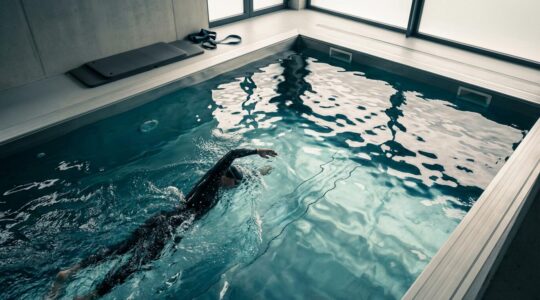
How to Train for a Triathlon in a 4-Meter Pool?
A 4-meter pool isn’t a training compromise; it’s a high-performance lab that builds elite swimmers faster than a traditional pool. The constant current provides amplified, real-time feedback that exposes and…
Read more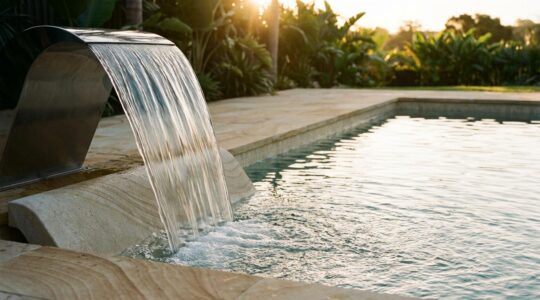
How Cervical Waterfalls Relieve Office-Induced Neck Strain?
A cervical waterfall is more than a luxury feature; it’s a clinical tool for deconstructing chronic neck tension from office work. Effective relief depends on precise pressure (1.5-2.5 bars) and…
Read more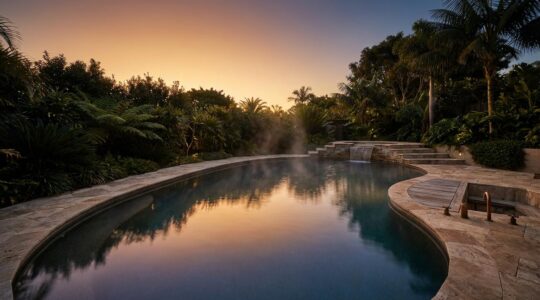
How to Design a Pool Area That Reduces Cortisol Levels?
The key to a truly restorative pool isn’t luxury, but neuro-architecture—designing a sensory environment that actively calms your nervous system. Sound and light are not aesthetic afterthoughts; they are functional…
Read more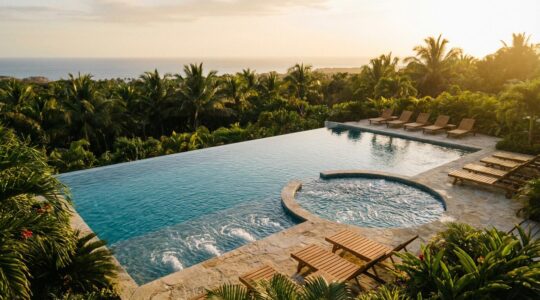
How Hydrotherapy Features Transform a Simple Pool into a 5-Star Resort?
True luxury isn’t about having a pool; it’s about curating an unforgettable resort experience right in your backyard. Strategic hydrotherapy design focuses on “social hydrodynamics” to enhance conversation, not just…
Read more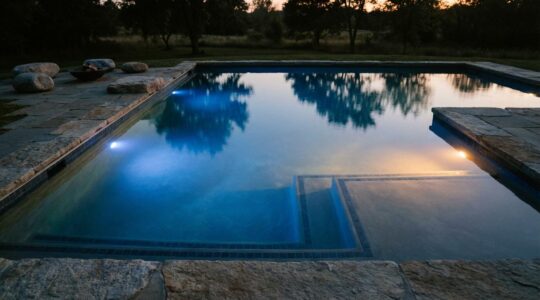
How to Use Pool Lighting Colors to Reduce Stress After Work?
Contrary to popular belief, simply turning your pool light blue is not a scientifically sound strategy for stress reduction. True relaxation depends on a “Sunset Protocol”—a specific sequence of colors…
Read more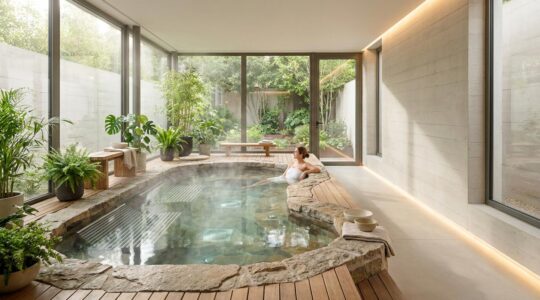
How to Replicate a Medical-Grade Balneotherapy Experience in Your Home Pool
In summary: Aquatic immersion reduces body weight by up to 90%, significantly offloading painful joints and enabling gentle movement. Specific water temperatures target different conditions: warm water (33-35°C) for muscle…
Read more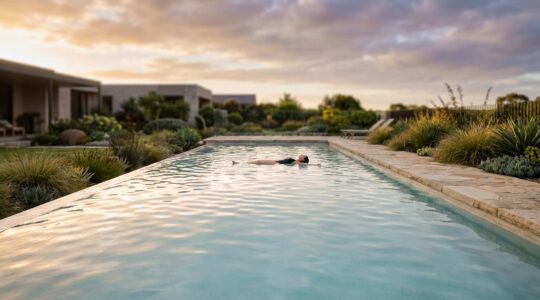
Why Magnesium Pools Are the New Standard for Wellness Retreats at Home?
A truly therapeutic magnesium pool is not just a luxury—it’s a precisely managed hydrotherapy system that delivers clinical-level wellness benefits. Achieving true therapeutic effects requires maintaining a specific mineral concentration,…
Read more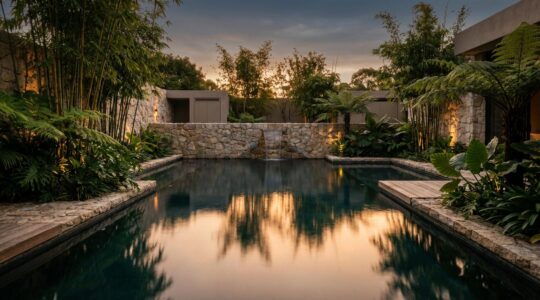
Why a Silent Filtration System is Crucial for Courtyard Pools?
The constant drone of a pool pump in a compact courtyard is not merely an inconvenience; it is a fundamental design failure that shatters the very purpose of a backyard…
Read more
How Bio-Mineral Filtration Relieves Eczema Symptoms for Daily Swimmers?
Bio-mineral filtration offers more than just comfort for eczema-prone swimmers; it provides a science-backed therapeutic solution that actively improves skin health. Superior filtration using activated glass media removes micro-irritants and…
Read more