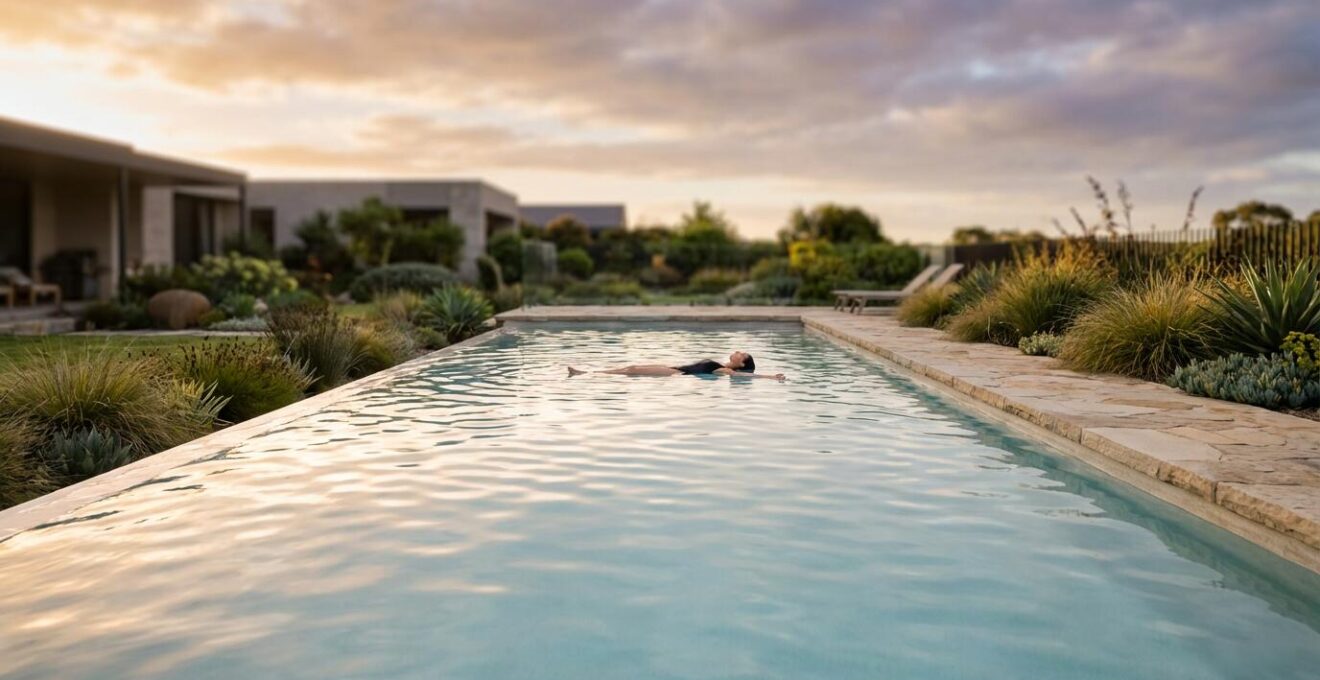
A truly therapeutic magnesium pool is not just a luxury—it’s a precisely managed hydrotherapy system that delivers clinical-level wellness benefits.
- Achieving true therapeutic effects requires maintaining a specific mineral concentration, far beyond what’s needed for basic water sanitation.
- Protecting your pool equipment, like heaters and chlorinators, involves specific technical choices that differ from standard saltwater systems.
Recommendation: Move beyond the passive enjoyment of “silky water” and actively manage your pool’s chemistry and hardware to create a genuine, spa-grade balneotherapy experience.
Imagine stepping into your own backyard and immersing yourself not just in water, but in a therapeutic sanctuary. This is the promise of a magnesium pool, an experience that transcends a simple swim, aiming to soothe aching muscles, calm sensitive skin, and restore a sense of profound well-being. For many health-focused individuals, the allure of creating a personal wellness retreat is powerful, and mineral pools have become the centrepiece of this vision.
The common wisdom suggests that switching from traditional chlorine or salt is enough to unlock these benefits. You’ll hear about the water’s signature “silky” feel and its gentle effect on the skin. While these points are true, they only scratch the surface. They represent the passive benefits, the happy by-products of a mineral system. But what if the real key to unlocking a 5-star resort experience lies not just in what you add to the water, but in how you manage the entire ecosystem?
This guide takes a different approach. We will move beyond the platitudes and delve into the science and strategy of creating a truly effective home spa. The secret isn’t just in the minerals; it’s in mastering the therapeutic thresholds, understanding the specific hardware requirements, and adopting hydrotherapy protocols that transform your pool from a recreational feature into a cornerstone of your daily wellness routine. It’s about creating an environment where every element works in harmony to deliver tangible, restorative results.
In the following sections, we will explore the precise conditions needed to maximise mineral benefits, the practical steps for converting your current system, and the advanced techniques that elevate a simple pool into a source of daily therapy. This is your blueprint for achieving a true balneotherapy experience at home.
Summary: Why Magnesium Pools Are the New Standard for Wellness Retreats at Home?
- How does swimming in magnesium water help reduce muscle cramping?
- How to switch from standard salt to mineral salts without changing your chlorinator?
- Dead Sea Minerals or Epsom Salts: Which Blend Offers the Best Therapeutic Effect?
- The sacrificial anode mistake that ruins heaters in mineral pools
- When to test mineral content to ensure the therapeutic threshold is met?
- How Bio-Mineral Filtration Relieves Eczema Symptoms for Daily Swimmers?
- How to Replicate a Thermal Spa Balneotherapy Experience at Home?
- How Hydrotherapy Features Transform a Simple Pool into a 5-Star Resort?
How does swimming in magnesium water help reduce muscle cramping?
The soothing relief a magnesium pool offers for muscle cramps and tension is not a matter of magic, but of science—specifically, transdermal absorption. When you immerse your body in water rich with magnesium chloride, the mineral can pass through the skin into the bloodstream and tissues. This process is highly effective for delivering magnesium directly where it’s needed, bypassing the digestive system. Magnesium plays a vital role in muscle function, helping to regulate muscle contractions and acting as a natural calcium blocker, which aids in relaxation.
However, simply being in the water isn’t enough to guarantee these benefits. Achieving effective absorption depends on creating the right conditions. The key is to transform your pool from a cool plunge into a warm, therapeutic bath. Think of it as a clinical protocol: the combination of mineral concentration, water temperature, and immersion time creates a synergistic effect that unlocks the full potential of the water.
To maximise the therapeutic effect for muscle relaxation, consider these optimal conditions:
- Water Temperature: Maintain a warm temperature between 34-38°C (93-100°F). Warmth opens up the pores and increases blood flow to the skin, enhancing the rate of transdermal absorption.
- Immersion Duration: Allow for a minimum of 20 minutes of immersion. This is the general timeframe needed for the skin to become saturated and for initial magnesium uptake to begin effectively.
- Gentle Movement: Engage in gentle swimming or stretching. This helps to increase overall circulation, distributing the absorbed magnesium throughout the body more efficiently.
By managing these factors, you move from a casual swim to a targeted therapeutic session, ensuring your body receives the full muscle-relaxing benefits the minerals have to offer.
How to switch from standard salt to mineral salts without changing your chlorinator?
One of the most appealing aspects of upgrading to a magnesium pool is that it often doesn’t require a costly overhaul of your existing equipment. If you currently have a saltwater pool, your salt chlorinator is likely compatible with mineral salt blends. These chlorinators work by passing a low-voltage current through the water, which converts the salt (sodium chloride or magnesium chloride) into free chlorine. The fundamental process remains the same, but the source mineral is different and brings with it a host of wellness benefits.
The transition is a carefully managed process of dilution and rebalancing, not a simple swap. As a real-world example, a case study on the Cyberpools Brisbane conversion process shows their success in switching systems. They follow a clear protocol: assessing the current system, partially replacing the water to reduce the old salt concentration, infusing high-quality magnesium minerals, and finally rebalancing the water chemistry. They confirm that most modern salt chlorinators handle both types of minerals, making the conversion seamless for homeowners.
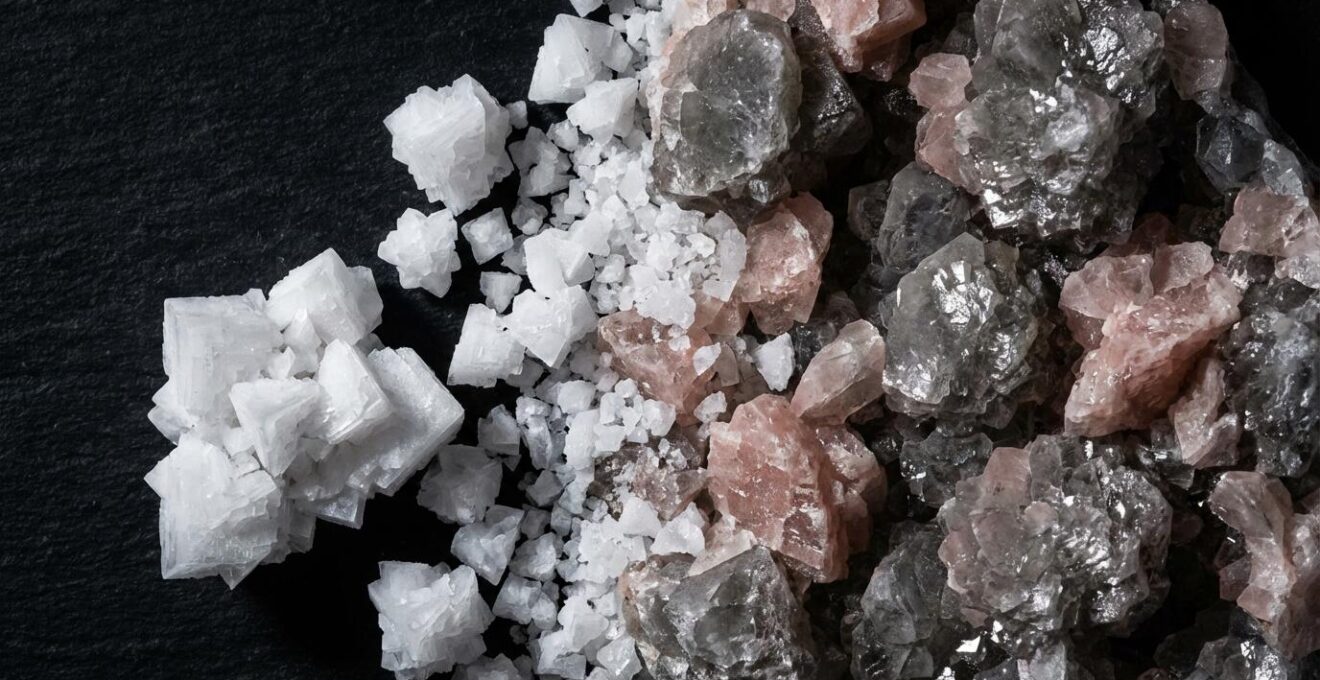
The key difference lies in the electrical conductivity. Magnesium blends are typically more conductive than standard sodium chloride. This means your chlorinator will produce the same amount of chlorine with less effort. Consequently, you will need to turn down your chlorinator’s output percentage after the conversion to avoid over-chlorination and extend the life of your chlorinator cell.
Your Action Plan: Step-by-Step Salt to Mineral Conversion Protocol
- Test and Record: Test your current salt levels and all other baseline water chemistry parameters (pH, alkalinity, chlorine).
- Dilute Salt Concentration: Reduce the existing salt concentration to approximately 1500 ppm by partially draining the pool and refilling with fresh water.
- Add Magnesium Blend: With the pump running, add the magnesium chloride blend gradually, pouring it into the deep end to help it dissolve and circulate.
- Adjust Chlorinator Output: Immediately adjust your chlorinator’s output down by 20-30% as an initial setting. You will fine-tune this later.
- Monitor and Balance: Run the filtration system for 24-48 hours continuously. Test and balance the pH, as the new minerals can cause it to swing initially.
Dead Sea Minerals or Epsom Salts: Which Blend Offers the Best Therapeutic Effect?
When selecting minerals for your pool, it’s tempting to think all magnesium is created equal. However, the chemical composition of the mineral blend is the single most important factor for both therapeutic effect and the longevity of your pool equipment. The two most commonly discussed sources are Epsom salts and magnesium chloride-based blends, such as those derived from the Dead Sea. The difference between them is stark and crucial to understand.
Epsom salts are magnesium sulfate (MgSO4). While famous for their use in hot baths, they are highly unsuitable for swimming pools. In a pool environment, the sulfate component can cause significant problems. As MFP Easy Pool Specialists warn, “Sulfates can lead to long-term damage to plaster surfaces and equipment, and in anaerobic conditions, can produce hydrogen sulfide gas”—the source of a rotten egg smell and a corrosive substance. In contrast, magnesium chloride (MgCl2), the primary mineral found in Dead Sea blends, is perfectly safe for chlorinator cells and pool surfaces, delivering the desired muscle and skin benefits without the damaging side effects.
This following comparison, based on data from an analysis by mineral pool experts, clarifies the best choice for a therapeutic and sustainable pool system.
| Mineral Type | Chemical Composition | Best For | Pool Equipment Impact | Cost Factor |
|---|---|---|---|---|
| Dead Sea Minerals | MgCl2 + KCl + CaCl2 | Skin conditions, eczema, psoriasis | Safe for chlorinators | Higher initial cost |
| Epsom Salts | MgSO4 (Magnesium Sulfate) | NOT recommended for pools | Can damage plaster & create H2S gas | Lower cost but damaging |
| Magnesium Chloride | MgCl2 | Muscle relaxation, general wellness | Compatible with salt cells | Moderate cost |
| Blended Minerals | MgCl2 + Borates + Potassium | Overall water feel & clarity | May require chlorinator adjustment | Premium pricing |
The verdict is clear: for a swimming pool, always choose a blend based on magnesium chloride. While Epsom salts may be cheaper, the potential for costly damage to your pool’s surface and equipment makes it a poor and ultimately destructive choice.
The sacrificial anode mistake that ruins heaters in mineral pools
While magnesium-rich water offers profound wellness benefits, its higher conductivity introduces a new challenge for your pool’s hardware: galvanic corrosion. This electrochemical process can rapidly degrade metal components, particularly the delicate copper heat exchangers found in gas and electric heaters. The solution is a simple but critical device called a sacrificial anode. This small metal rod is designed to corrode “in place of” more expensive equipment. However, choosing the wrong type or installing it incorrectly can render it useless, leading to premature and costly heater failure.
The most common mistake is using a magnesium anode in a magnesium pool. It seems logical, but it’s a critical error. Because magnesium is a highly active metal, a magnesium anode will corrode extremely quickly in mineral-rich water, offering little to no lasting protection. As documented in a case study on anode types, zinc anodes are the industry-standard choice for saltwater and mineral pools. Zinc corrodes at a much slower, more controlled rate, providing reliable protection for 6-12 months.
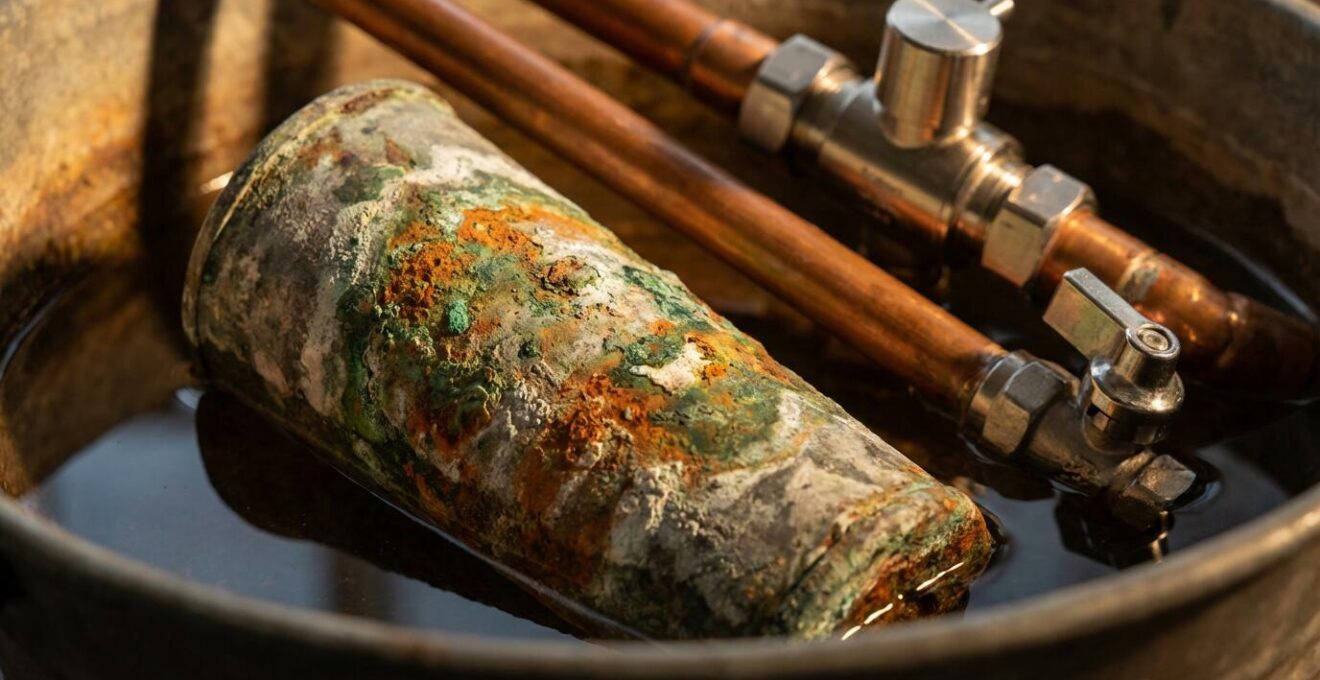
Equally important is its placement. The anode must be installed in the plumbing line and connected to the pool’s bonding wire. Crucially, it must be positioned between the filter and the heater/chlorinator. This placement allows it to attract and neutralise corrosive electrical currents before they can reach and destroy the heater’s internal components. Incorrect installation, such as placing it after the chlorinator, can leave the heater completely exposed, with failures reported in as little as eight months.
When to test mineral content to ensure the therapeutic threshold is met?
Creating a therapeutic magnesium pool is about achieving and maintaining a specific level of mineral concentration. Many pool owners assume that once the minerals are added, the job is done. However, there’s a significant difference between the mineral level needed for your chlorinator to function and the level required for genuine therapeutic benefits. The minimum salt level for a chlorinator might be around 1500 parts per million (ppm), but research indicates that a concentration of 3000-5000 ppm magnesium is the therapeutic threshold required to experience noticeable effects on muscle soreness and skin health.
This “therapeutic threshold” is not a static number. Your pool is a dynamic environment, and mineral levels can be diluted over time. Therefore, regular testing is not just about maintenance; it’s about ensuring your wellness investment is actually delivering results. You can’t feel the difference between 2000 ppm and 4000 ppm, but your body can. Relying on the “silky” feel of the water is not an accurate measure of its therapeutic potency.
To ensure your pool consistently meets this therapeutic standard, you should adopt a proactive testing schedule. Pay close attention to these key moments:
- After heavy rainfall: A significant downpour can add a large volume of fresh water, directly diluting your mineral concentration.
- Following multiple backwash cycles: Backwashing removes water from the pool, which is then replaced with fresh water, lowering the ppm.
- Monthly during the swimming season: Regular checks ensure consistency and allow you to make small adjustments before levels drop too low.
- 48 hours after adding new minerals: Always re-test to confirm you’ve reached your target concentration.
For accurate readings, use testing methods specifically designed for minerals, such as a LaMotte Spin Disk photometer or high-quality mineral test strips. This disciplined approach ensures your pool remains a true therapeutic retreat, not just a slightly more pleasant swimming experience.
How Bio-Mineral Filtration Relieves Eczema Symptoms for Daily Swimmers?
For those with sensitive skin conditions like eczema or psoriasis, a standard chlorinated pool can be a source of irritation, causing dryness, itching, and flare-ups. A magnesium pool, however, fundamentally changes the water’s relationship with the skin. This relief comes from a powerful combination of the minerals themselves and the way they interact with the filtration and sanitation process, creating what can be called a bio-mineral filtration system.
First, magnesium is renowned for its skin-soothing properties. As noted by Mineral Swim Pool Specialists, “Dermatologists around the world agree on the healing effects of magnesium on sensitive skin and its ability to soothe common skin conditions such as dermatitis, eczema, and psoriasis.” The mineral helps to restore the skin’s natural barrier, improve hydration, and reduce inflammation, leading to calmer, healthier skin.
Second, and just as important, is the reduction of chloramines. Chloramines are the compounds formed when chlorine reacts with organic matter (like sweat and skin cells). They are the primary culprit behind the “chlorine smell,” red eyes, and skin irritation in traditional pools. Magnesium mineral systems are more efficient at sanitising, which often results in significantly lower levels of these harsh irritants. This creates a much gentler swimming environment. The effect can be transformative for families, as this experience shows:
Parents report that after converting to a MagnaPool system, their children with sensitive skin no longer complain of sore eyes or skin irritation. The mineral pool produces far less chloramines (the compounds responsible for irritated eyes) and kids can swim without goggles. The family noticed immediate improvement in skin conditions after installation.
– Family Experience, Making Home
This combination—the healing power of magnesium and the reduction of irritating chloramines—is what makes a bio-mineral pool a sanctuary for sensitive skin. It allows for daily swimming without the negative side effects, turning the pool into a source of relief rather than discomfort.
How to Replicate a Thermal Spa Balneotherapy Experience at Home?
Owning a magnesium pool gives you the primary ingredient for a world-class spa experience. However, balneotherapy—the treatment of conditions by bathing—is more than just soaking in mineral water. It is a structured ritual designed to maximise therapeutic outcomes. By adopting a few simple protocols from professional spas, you can elevate your daily swim into a profound wellness treatment that soothes both body and mind.
The first step is to control the environment. This means setting the stage for relaxation. The water should be heated to a comfortable 34-38°C (93-100°F) to encourage muscle relaxation and mineral absorption. Surrounding the pool with calming elements, like pool-safe essential oil diffusers for aromatherapy or soft, color-changing LED lights for chromotherapy, can dramatically enhance the sensory experience. Hydration is also key; keep mineral water or herbal tea on hand to sip before and after your session.
Once the environment is set, follow a simple ritual:
- Preparation: Begin with 5 minutes of gentle stretching on the pool deck to prepare your muscles.
- Immersion: Submerge yourself for 20 minutes. Focus on passive floating and deep, diaphragmatic breathing. Let the water support you completely.
- Rest and Integration: After your soak, exit the pool without rushing. Wrap yourself in a warm, plush robe and rest for 10-15 minutes. This rest period allows your body to integrate the therapeutic effects of the session.
For those seeking more advanced recovery, you can even replicate protocols from professional facilities. For example, the Sports Recovery Centre in Australia uses multiple magnesium pools for contrast therapy, where athletes move between cold (10-15°C) and warm (38-40°C) pools to flush inflammation and accelerate healing. While you may only have one pool, you can create a similar effect by alternating your warm soak with a cool freshwater shower.
Key takeaways
- True therapeutic benefits require a magnesium concentration of 3000-5000 ppm, well above the minimum for sanitation.
- Choosing the right mineral type (magnesium chloride, not sulfate) and anode (zinc, not magnesium) is critical to protect your equipment.
- A complete wellness experience combines the mineral water with controlled temperature, immersion time, and hydrotherapy features.
How Hydrotherapy Features Transform a Simple Pool into a 5-Star Resort?
The final layer in creating a true wellness retreat is the integration of physical hydrotherapy. While the mineral-rich water works on a chemical level, hydrotherapy features like jets, waterfalls, and massage loungers work on a physical one. When combined, these two elements create a synergistic effect that elevates the experience to that of a five-star spa. The magnesium itself is a critical component, as scientific research confirms that magnesium is involved in over 300 biochemical reactions in the body, making its absorption during hydrotherapy particularly beneficial.
Hydrotherapy jets do more than just create bubbles; they provide a targeted massage that stimulates blood flow, releases muscle knots, and enhances the distribution of absorbed minerals throughout the body. The sensation of the water itself is also amplified. As the experts at Blue Haven Pools explain, “The softened, silky mineral water enhances the sensation of the water jets, while the massage from the jets can increase circulation and potentially boost the absorption and distribution of the therapeutic minerals.”

To create a truly resort-like experience, consider a strategic placement of different types of jets. High-pressure jets can be installed to target the lower back and shoulders, areas that commonly hold tension. Softer, effervescent “champagne” jets can be placed in a seating or lounging area to provide a gentle, full-body massage. A cascading waterfall not only adds a beautiful visual and soothing sound but also provides a wonderful massage for the neck and shoulders.
By layering these physical features onto your perfectly balanced mineral water, you complete the transformation. Your pool is no longer just a body of water; it is an active wellness system, a personal hydrotherapy circuit designed for daily restoration and relaxation, rivaling the amenities of any luxury resort.
Ultimately, creating a genuine wellness retreat at home is an act of intention. It requires moving from a passive owner to an active curator of your pool’s environment. By understanding and managing the therapeutic mineral threshold, protecting your system with the correct hardware, and embracing structured hydrotherapy rituals, you unlock the full, profound potential of your magnesium pool. This is how you build more than a backyard feature—you build a cornerstone of your daily health and well-being.